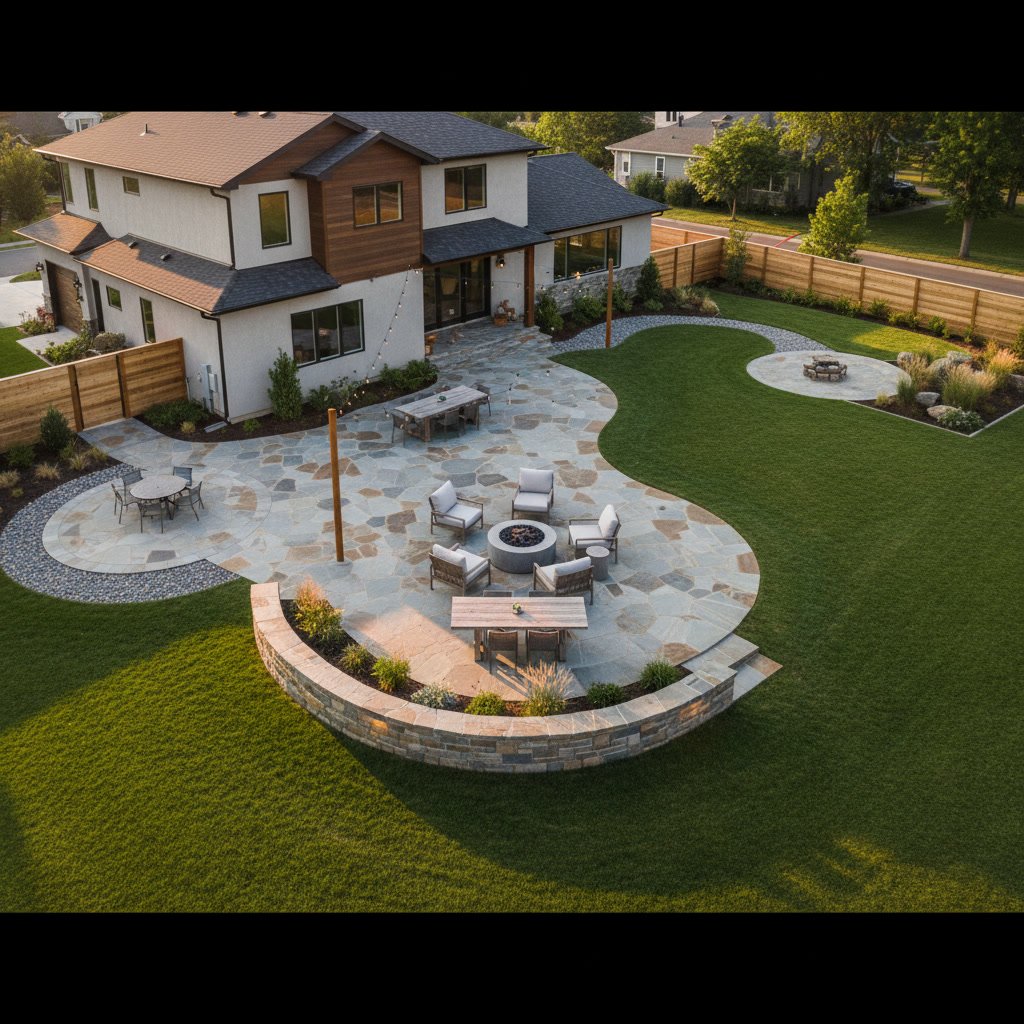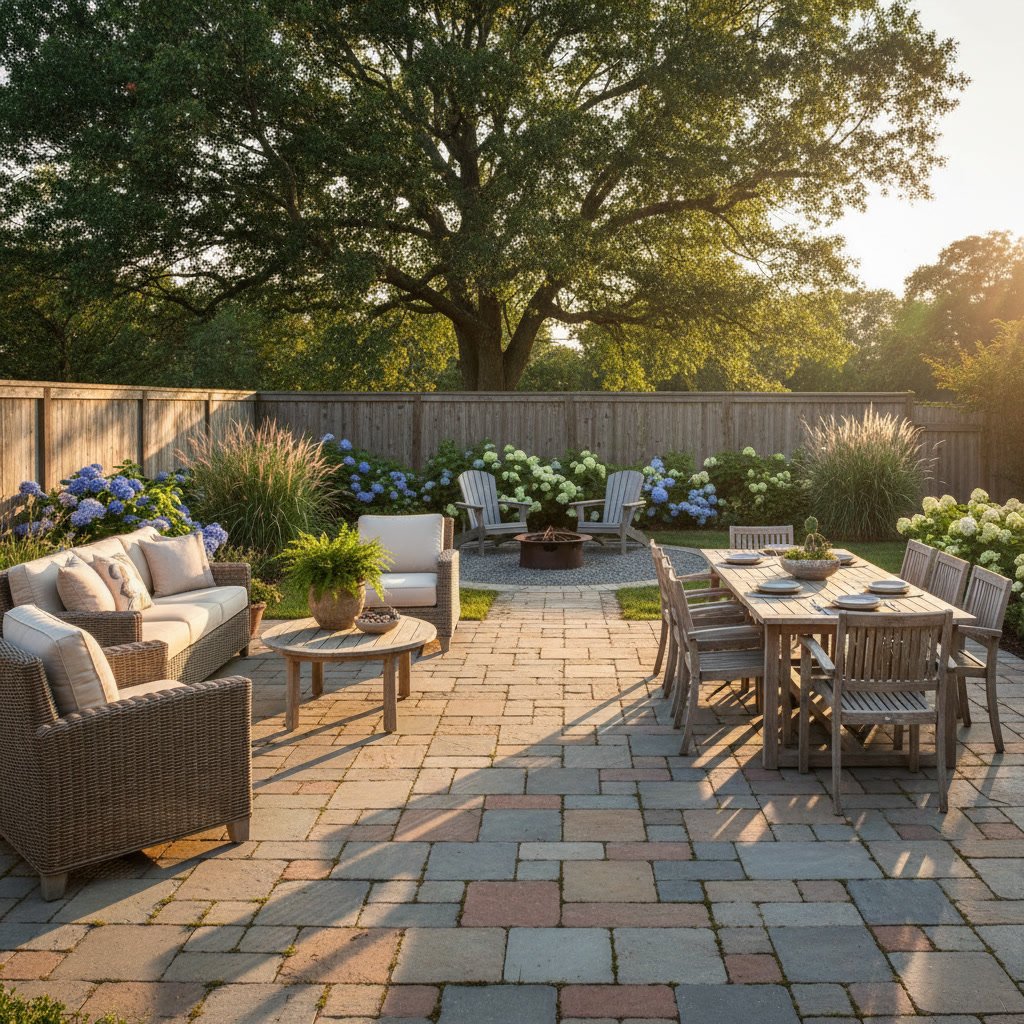
The right fence height balances your need for seclusion with your property’s visual appeal and compliance with local codes. Most residential fences range from four to eight feet tall, with six-foot fences offering the best blend of fence height privacy and attractive design. Your ideal height depends on your yard layout, neighborhood character, and whether you prioritize screening views or maintaining an open, welcoming appearance.
Why Fence Height Matters More Than You Think
Your fence does more than mark property boundaries. It sets the tone for your entire outdoor space and influences how neighbors and passersby perceive your home. A fence that’s too short leaves you exposed to unwanted views and noise. One that’s too tall can make your yard feel closed off and may violate city ordinances that restrict height in front yards or corner lots.
The height you choose affects air circulation, sunlight reaching your garden, and even your home’s resale value. Buyers notice fencing quality and appropriateness during property tours. A well-proportioned fence signals that you’ve maintained the property thoughtfully.
Understanding Local Fence Regulations
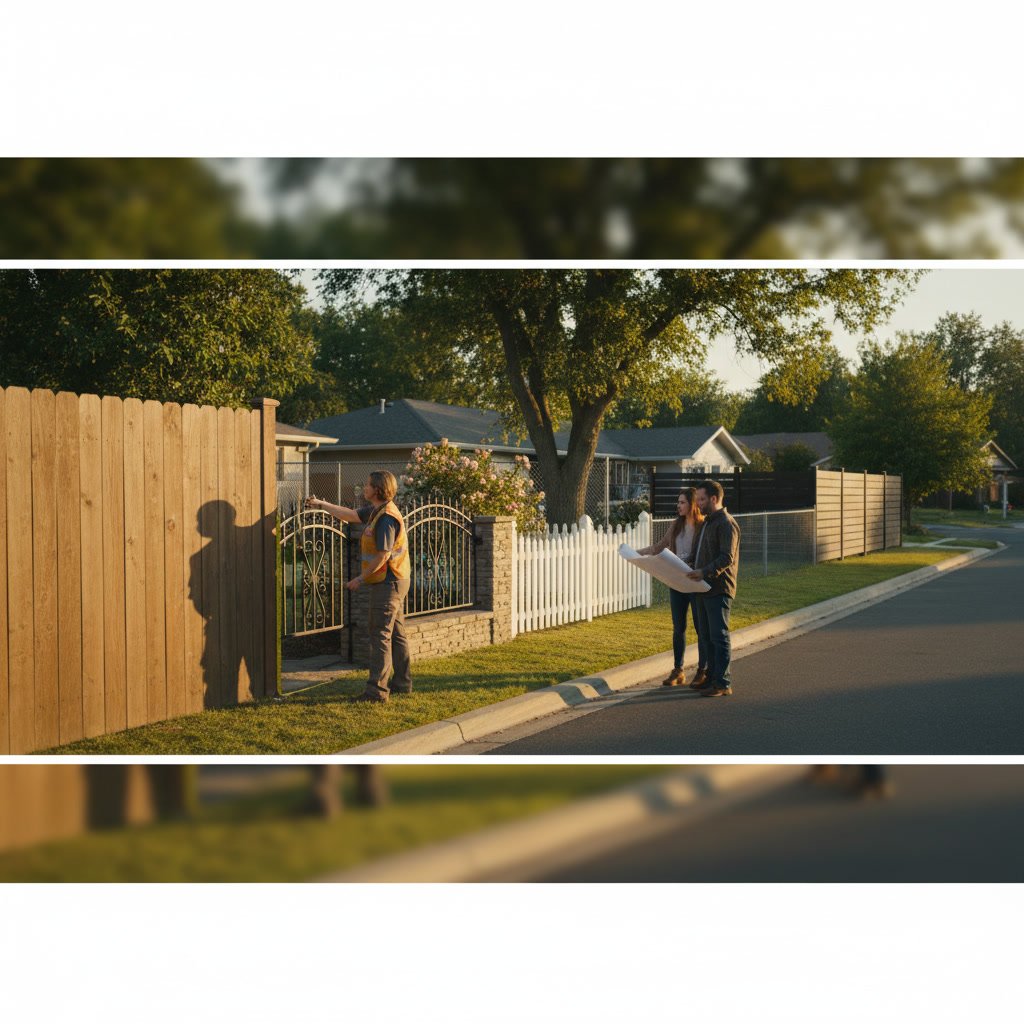
Before you make any decisions, check your municipality’s fence code. Most North Texas cities, including Plano, limit backyard fences to eight feet and front yard fences to three or four feet. Corner lots face additional restrictions because side yards adjacent to streets often count as front yards under zoning rules.
Homeowners associations add another layer of regulation. Many HOAs specify not just height but also materials, colors, and styles. Violating these rules can result in fines or mandatory removal. Always obtain written approval before installation, even if you’re replacing an existing fence at the same height.
Standard Fence Heights and Their Best Uses
Four-foot fences work well for decorative borders, pool enclosures in combination with self-closing gates, and front yards where you want to define space without blocking views. They provide minimal privacy but maintain an open, friendly appearance.
Six-foot fences represent the most popular choice for backyards. This height blocks the view of standing adults while remaining visually proportional to most single-story and two-story homes. It offers solid privacy for patios and pools without creating a fortress-like appearance.
Eight-foot fences deliver maximum seclusion and noise reduction. They’re ideal if you back up to a busy road, commercial property, or simply value complete privacy. The tradeoff is a more enclosed feeling and potential shading of garden beds near the fence line.
Matching Fence Height to Your Privacy Goals
Consider what you’re screening and from what vantage points. If neighboring homes sit at the same elevation, a six-foot fence typically blocks ground-level sight lines. But if your neighbor’s deck or second-story windows overlook your yard, even an eight-foot fence won’t provide complete privacy from those angles.
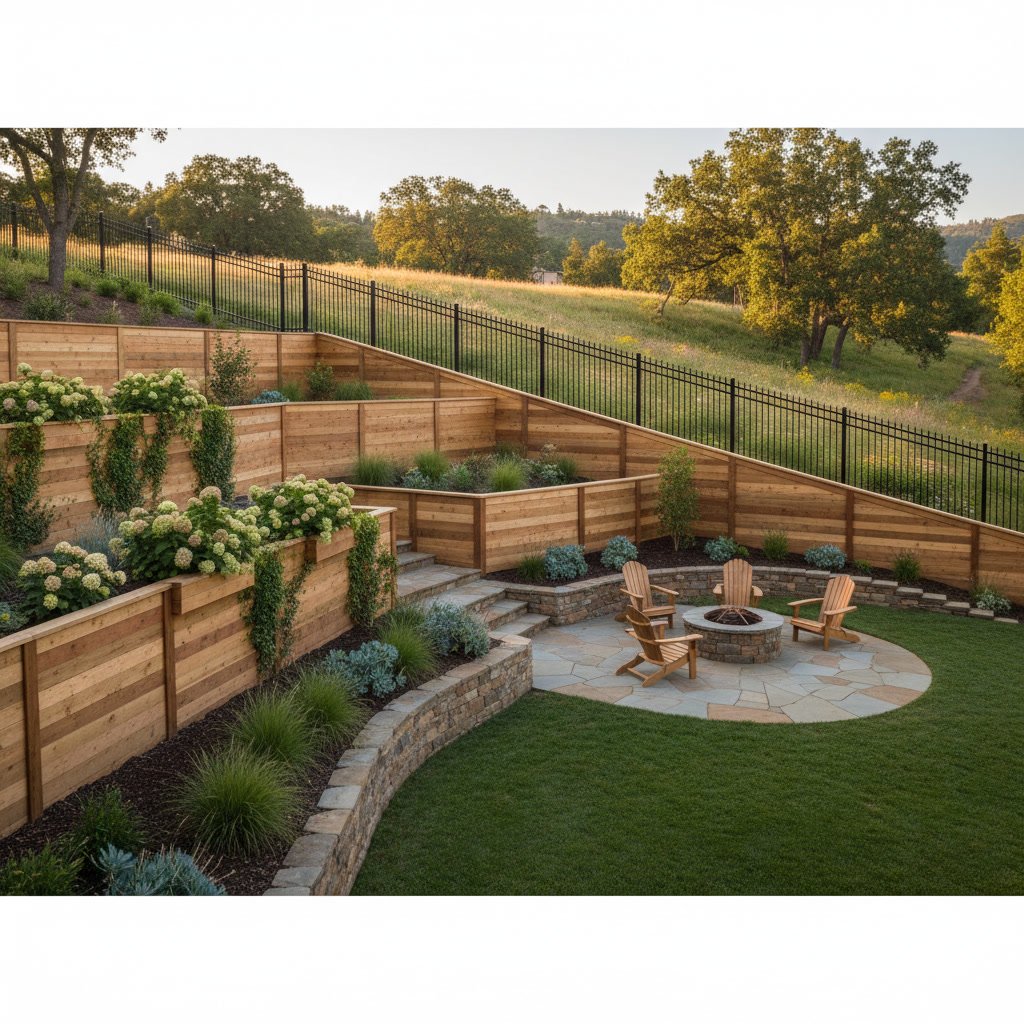
ForProperties with varied terrain, measure from the higher grade. A six-foot fence measured from your yard might only stand four feet tall from your neighbor’s perspective if their lot sits higher. Professional Patios & Fences installers account for grade changes and ensure consistent privacy screening.
Balancing Privacy With Curb Appeal in Allen
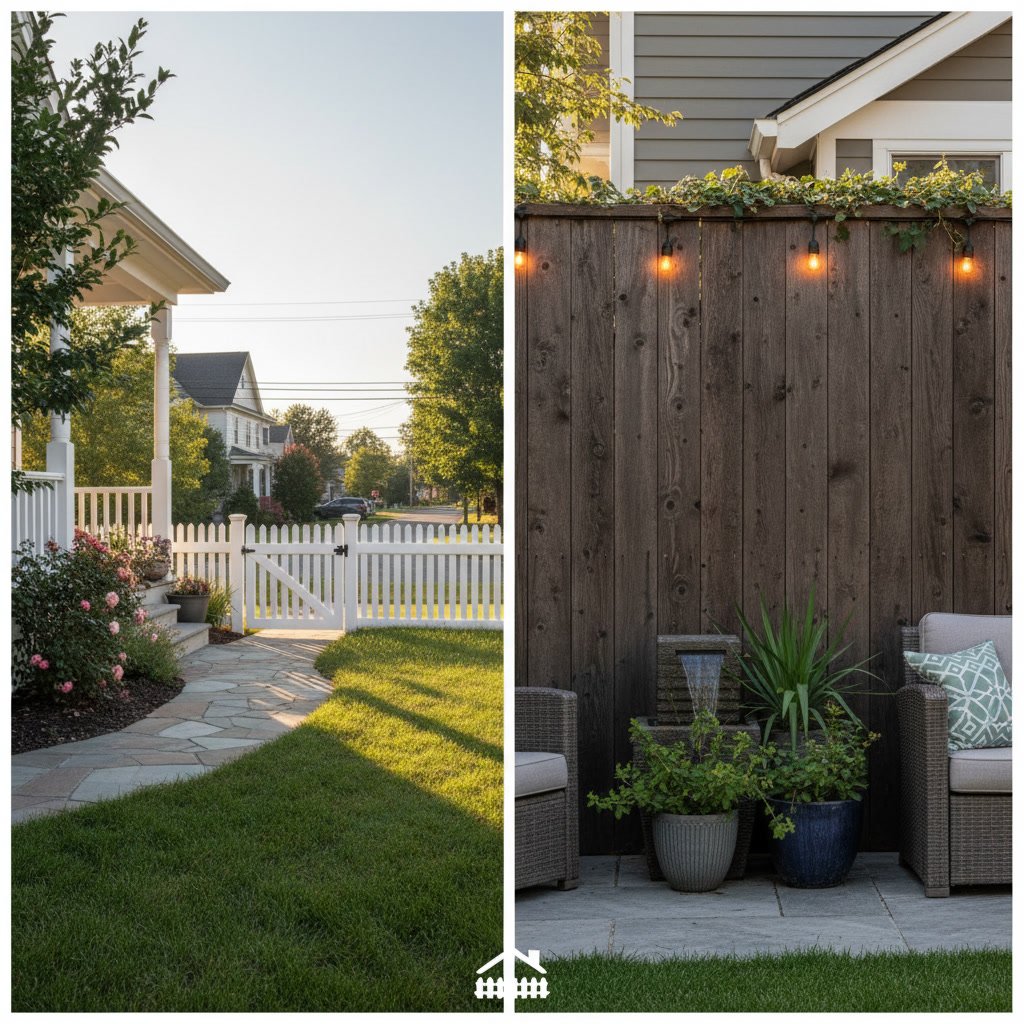
Tall fences in front yards rarely enhance curb appeal. They hide architectural features buyers want to see and can make your home appear unwelcoming. If you need front yard privacy, consider a four-foot decorative fence combined with strategic landscaping. Shrubs, ornamental grasses, and small trees soften fence lines while adding natural screening.
In Allen, where neighborhoods feature diverse architectural styles from traditional to contemporary, your fence should complement your home’s design language. A towering privacy fence looks out of place on a charming cottage but might suit a modern farmhouse with bold, clean lines.
How Fence Materials Affect Perceived Height
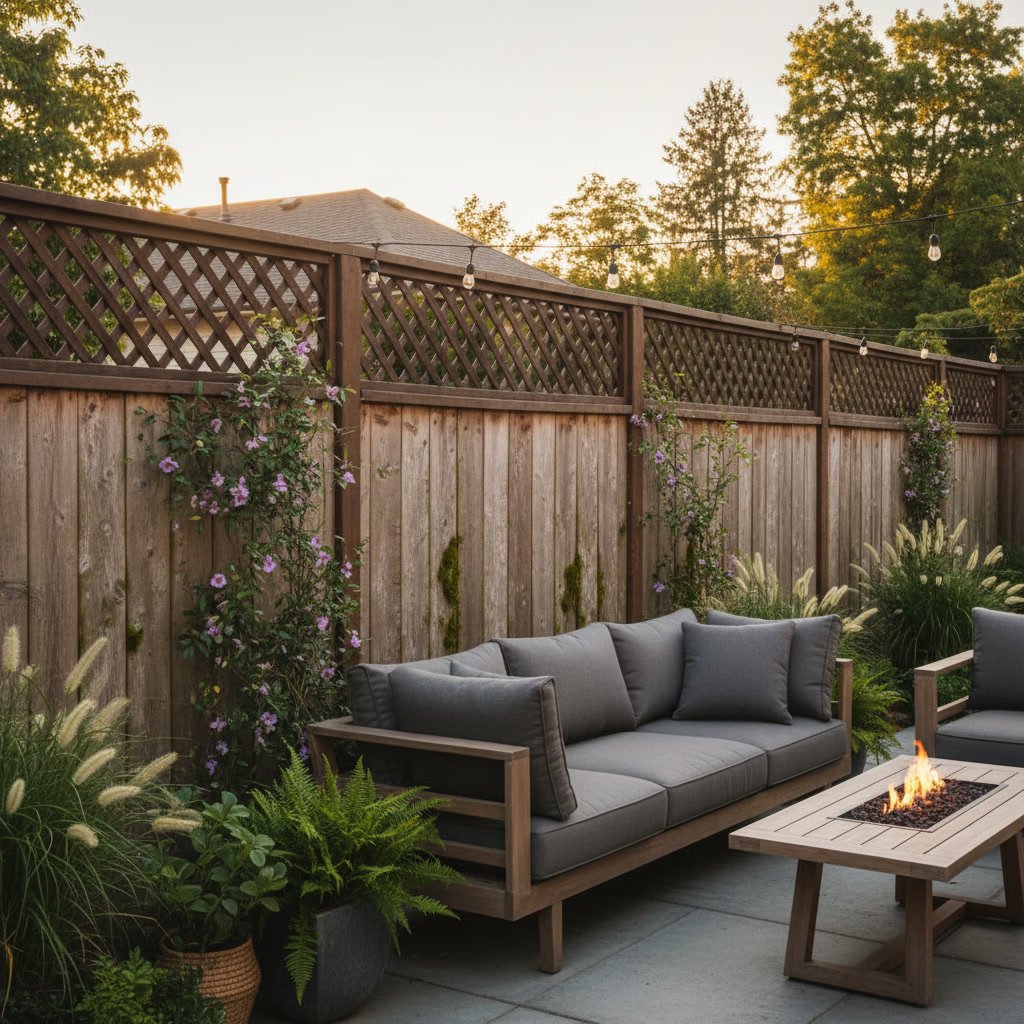
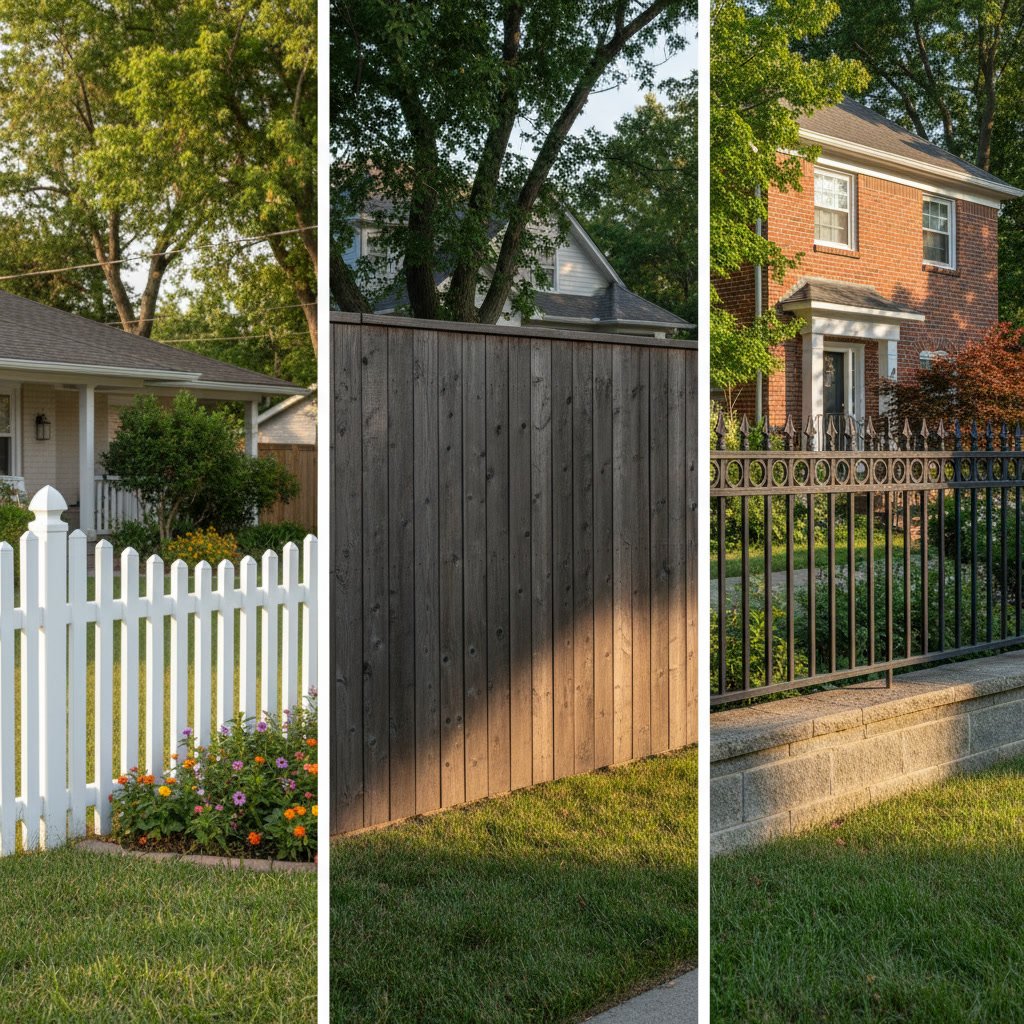
Solid board fences at six feet create a more imposing visual barrier than the same height in horizontal slat or lattice-top designs. Material choice dramatically changes how tall a fence feels. Dark stains and solid panels appear heavier and can make spaces feel smaller. Lighter tones and semi-open designs like shadowbox maintain privacy while feeling less confining.
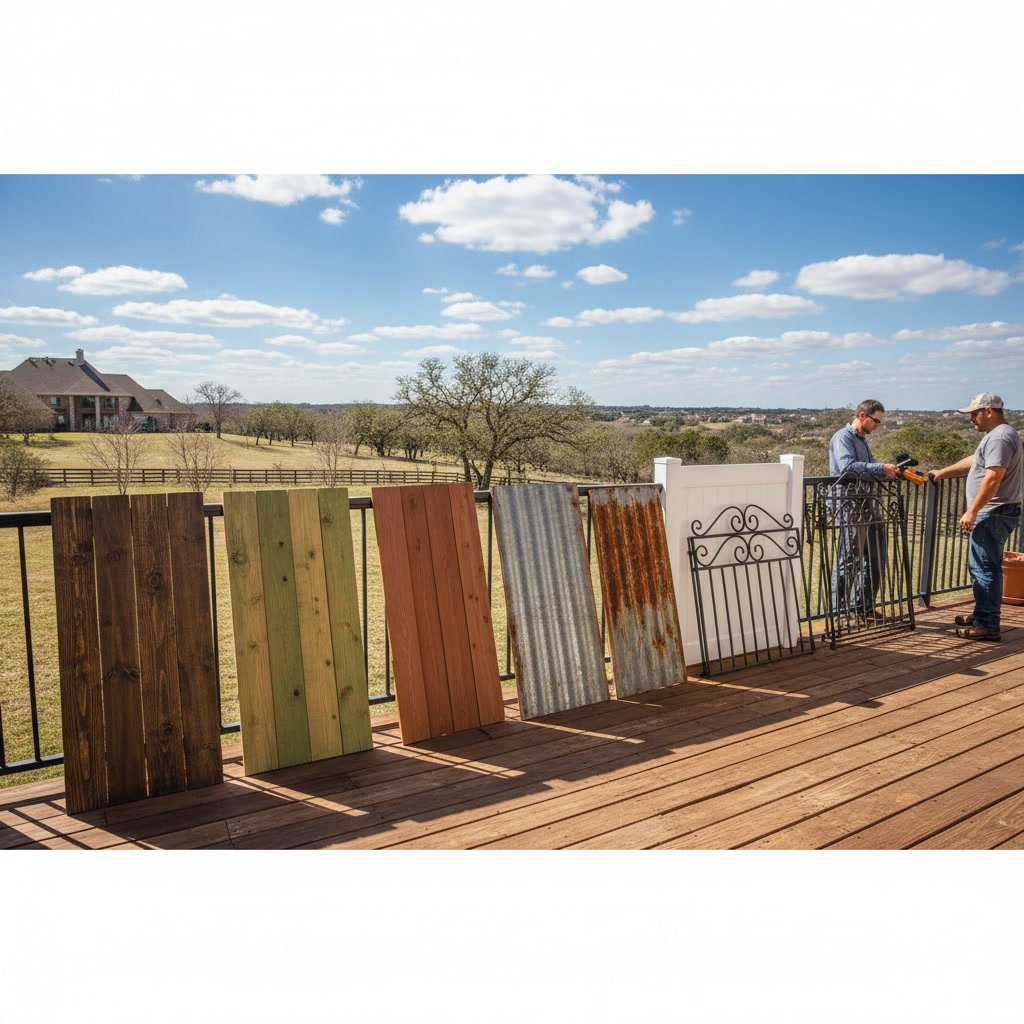
Vinyl and composite materials often come in pre-sized panels that limit height customization. Wood offers more flexibility for exact height specifications. If you’re weighing material options, our guide on wood fence versus vinyl fence can help you understand the tradeoffs beyond just height considerations.
Strategic Height Variations for Complex Yards
You don’t need uniform height around your entire property. Many homeowners use six-foot fencing along rear and side property lines for privacy, then step down to four feet as the fence approaches the street. This creates privacy where it matters while maintaining street appeal.
Corner properties benefit from this approach. Use maximum allowable height along true side and rear yards, then transition to front-yard-compliant heights as you near street frontage. The step-down should happen gradually over several panels to avoid an awkward, chopped appearance.
Practical Installation Considerations
Taller fences require deeper post holes and stronger bracing to withstand wind loads. Eight-foot fences need posts sunk at least 30 inches deep in concrete, compared to 24 inches for six-foot installations. This affects both material costs and labor.
Frost heave in North Texas is minimal, but expansive clay soils create their own challenges. Proper post installation prevents leaning and premature failure. Capital D LLC uses engineered footing techniques that account for soil movement, ensuring your investment remains straight and stable for decades.
Measuring Your Yard Before Deciding
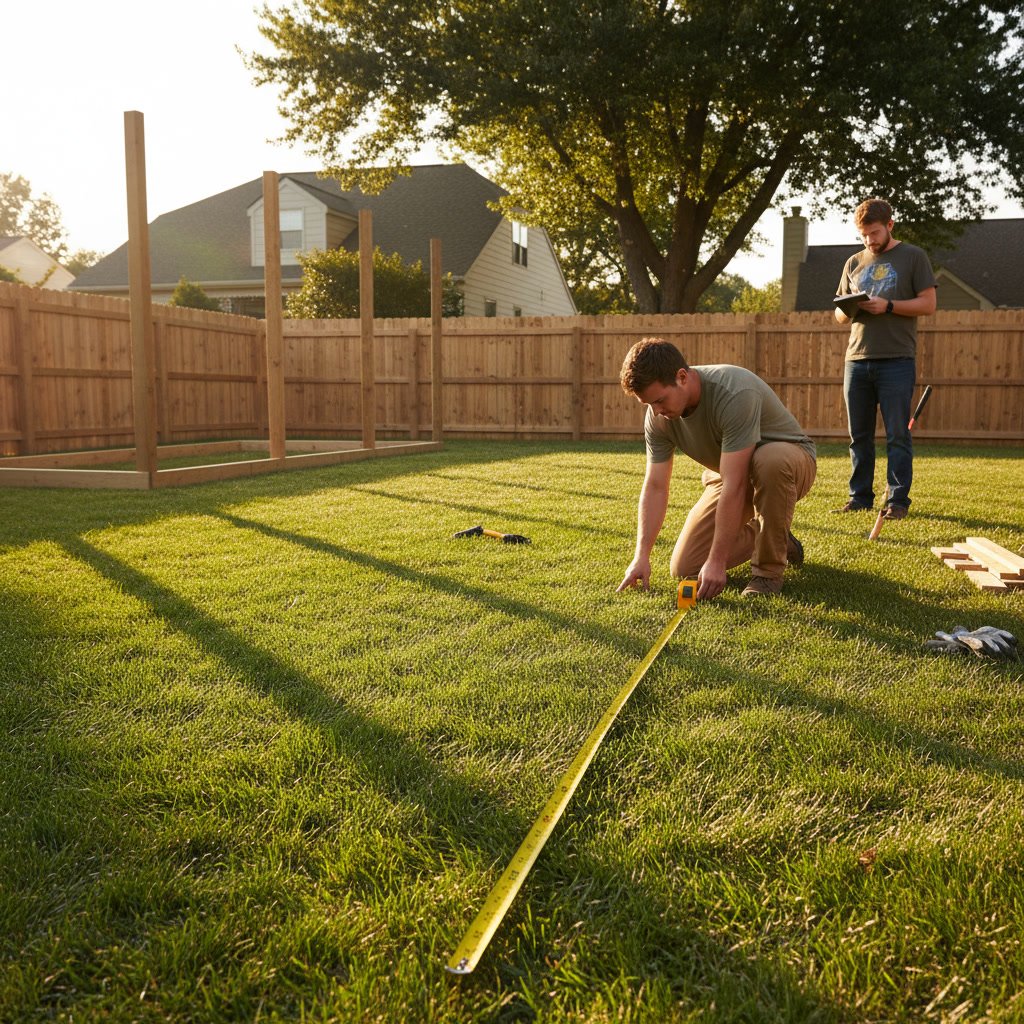
Walk your property line and note where you spend time outdoors. Mark sight lines from neighboring windows, streets, and common areas. Stand where you plan to place patio furniture or a grill and have someone walk the perimeter at different heights using a measuring stick or temporary marker.
This practical test reveals whether you truly need eight feet or if six feet accomplishes your goals. Many homeowners discover that a well-placed six-foot fence combined with a few strategic plantings delivers the privacy they want without the visual weight of maximum height.
When to Consult a Professional Installer
Complex lots with slopes, drainage easements, or unclear property lines benefit from professional assessment. Experienced installers identify potential issues before they become expensive mistakes. They know local code requirements, can obtain permits efficiently, and have relationships with inspectors that smooth the approval process.
A professional can also integrate your fence project with other outdoor improvements. If you’re planning a new patio or outdoor kitchen, coordinating these projects ensures your fence height complements the overall design. Our approach to choosing patio materials considers how hardscaping and fencing work together to create cohesive outdoor living spaces.
Making the Final Height Decision for Your Property
Your fence should serve your lifestyle while respecting neighborhood character and regulations. A six-foot fence remains the safe choice for most situations, offering solid privacy without aesthetic or legal complications. Choose four feet when you want definition without isolation, and reserve eight feet for properties with genuine privacy challenges like busy road noise or overlooking structures.
Remember that you’ll live with this decision for 15 to 30 years depending on material and maintenance. Take time to observe how existing fences in your neighborhood perform. Note which heights look proportional and which feel out of scale. The right fence height enhances your daily enjoyment of your yard while adding value to your property.
Capital D LLC brings a decade of experience to residential fencing projects throughout the Dallas-Fort Worth area. Our team helps you select the height, style, and materials that match your privacy needs and complement your home’s architecture. Whether you need a simple perimeter fence or a complex installation with grade changes and decorative elements, we deliver quality craftsmanship backed by our commitment to excellence. Contact us at +19722079516 to schedule a property assessment and receive a detailed estimate for your fencing project.