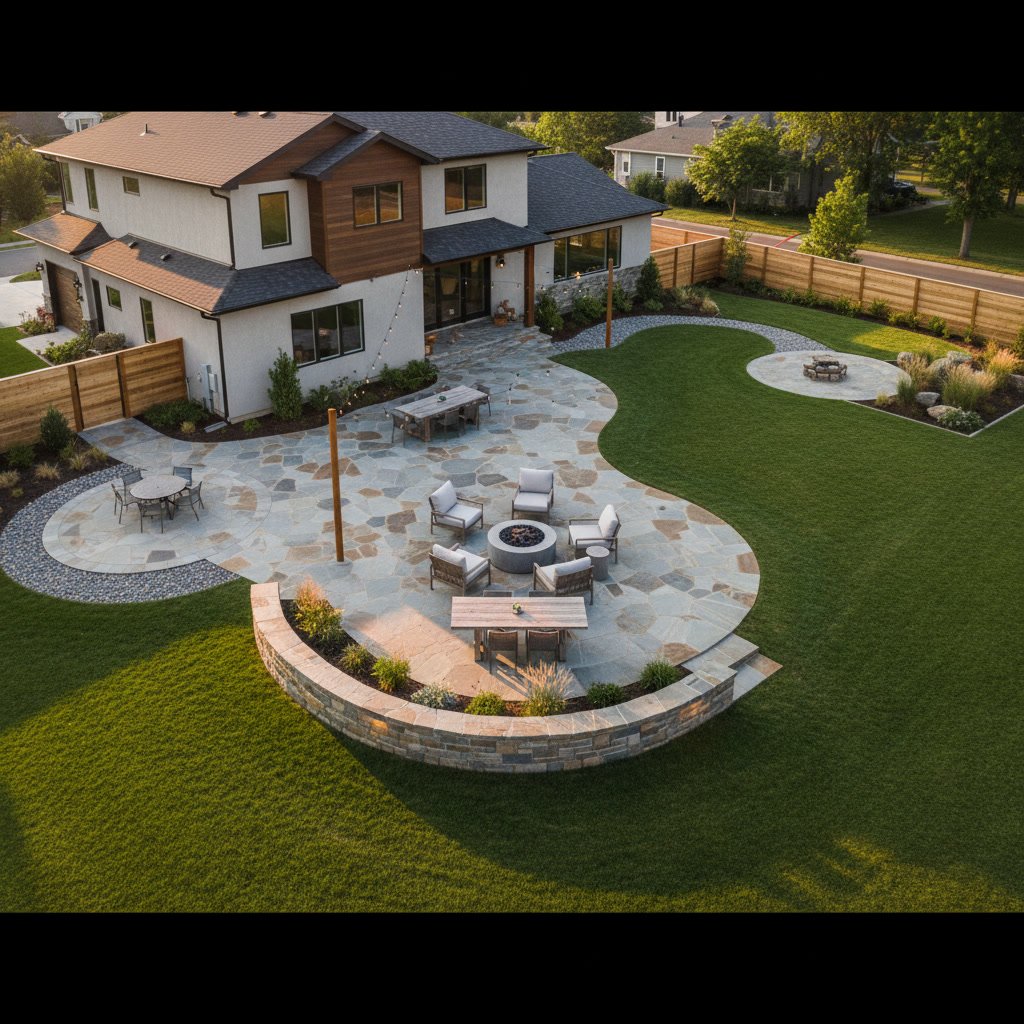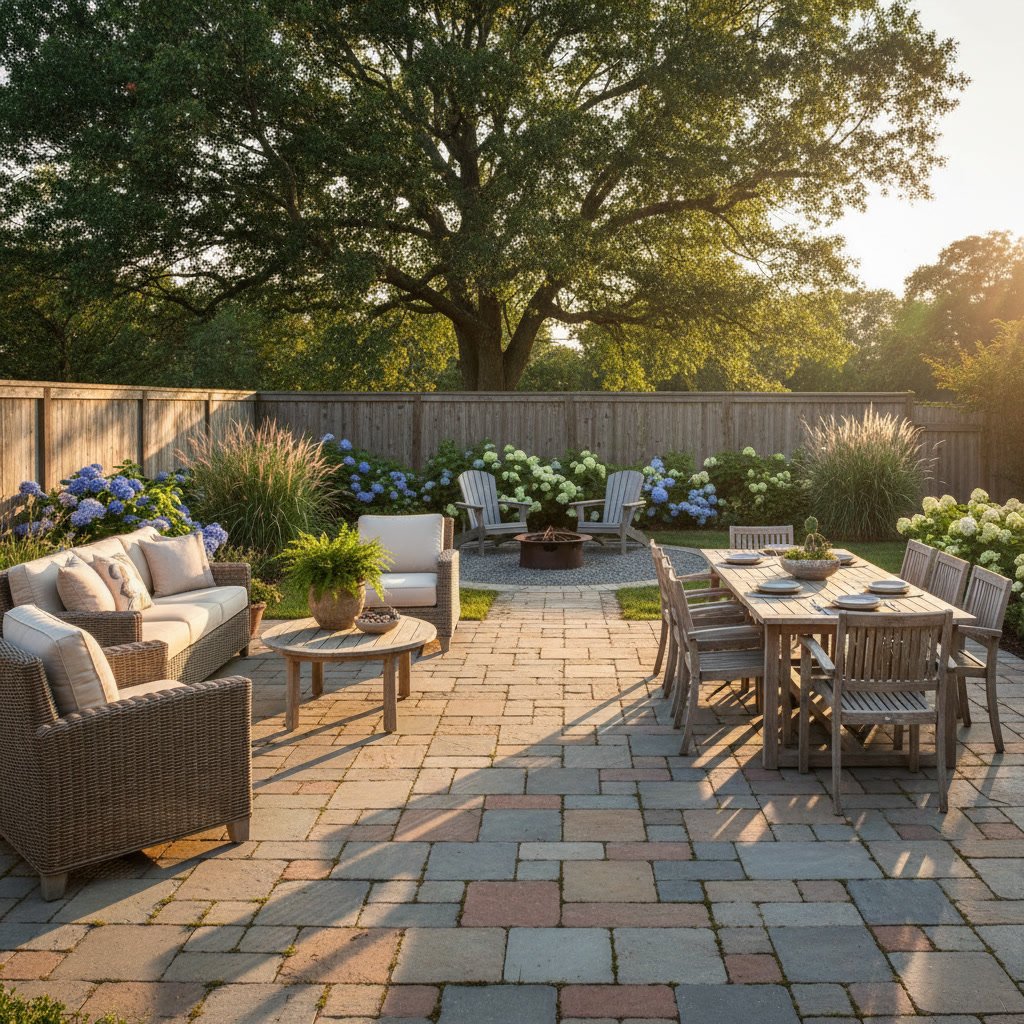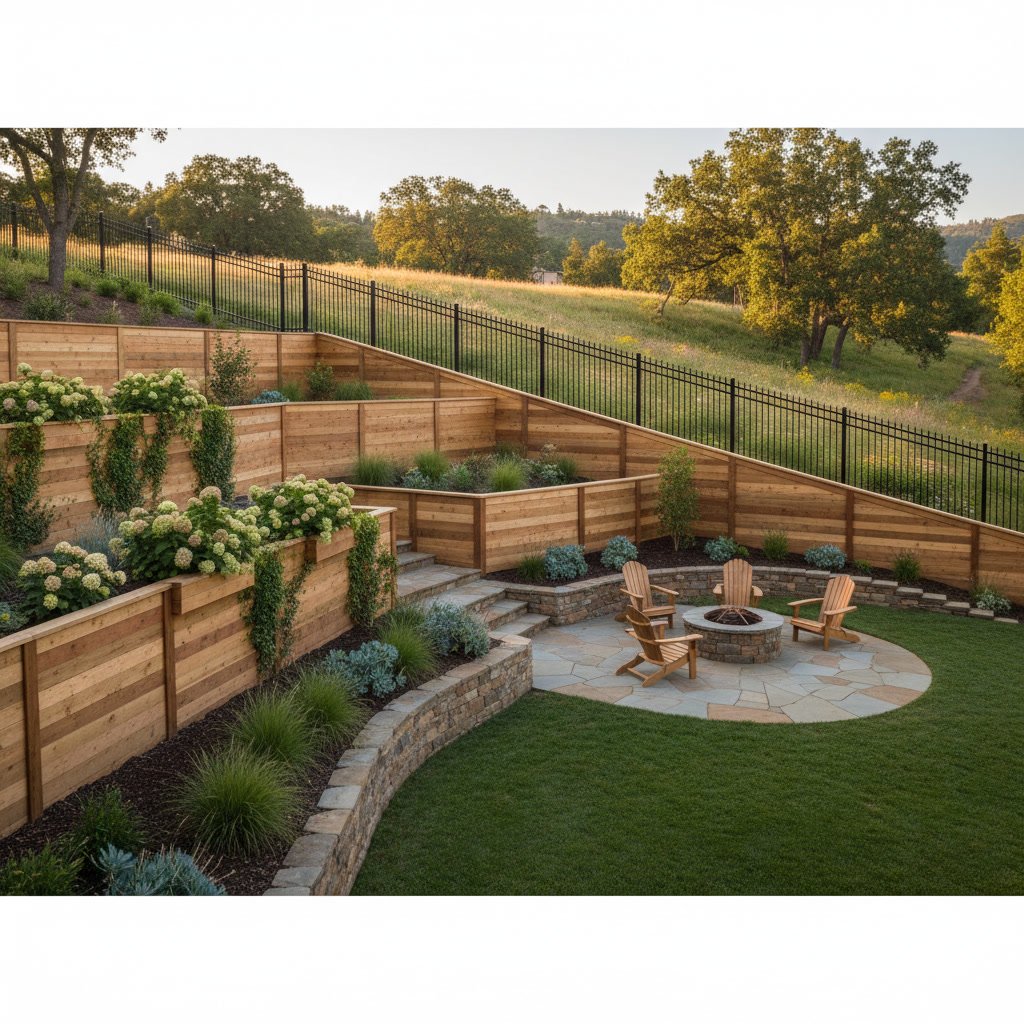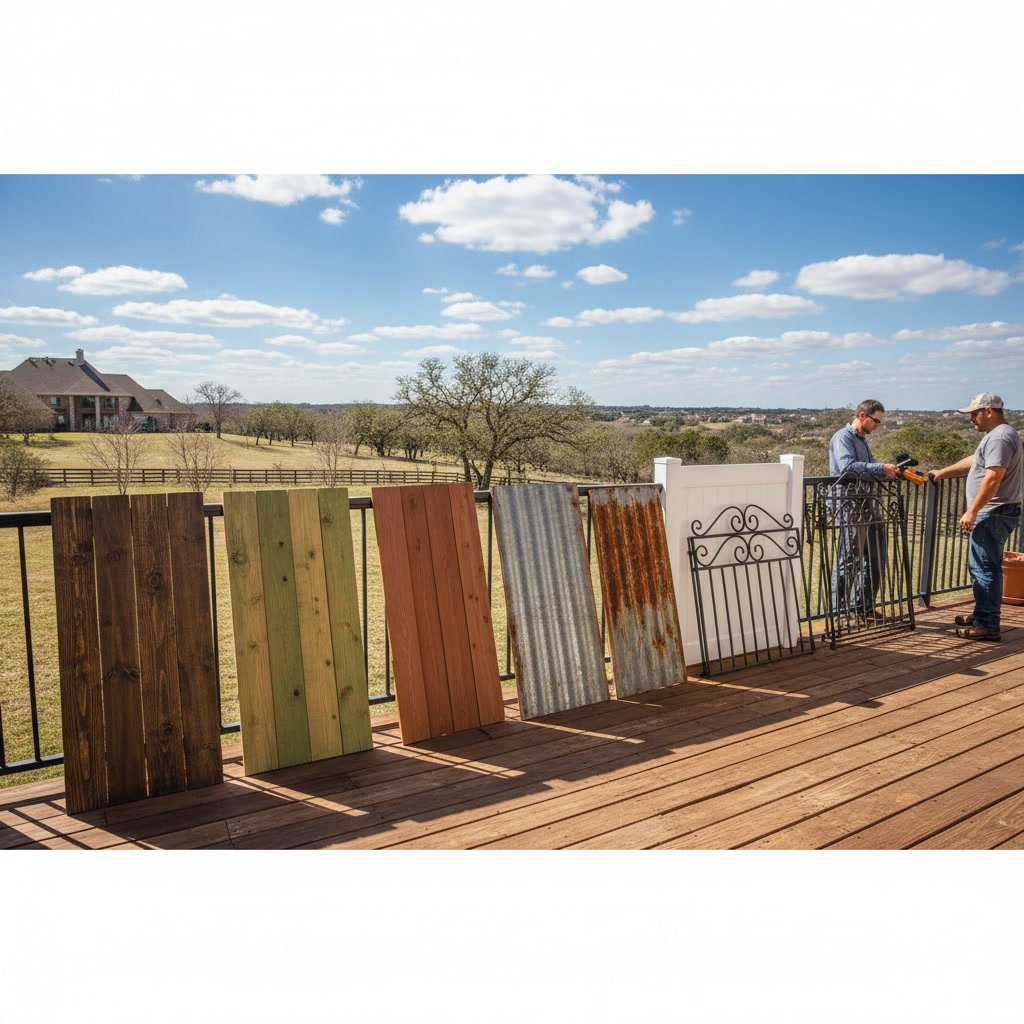
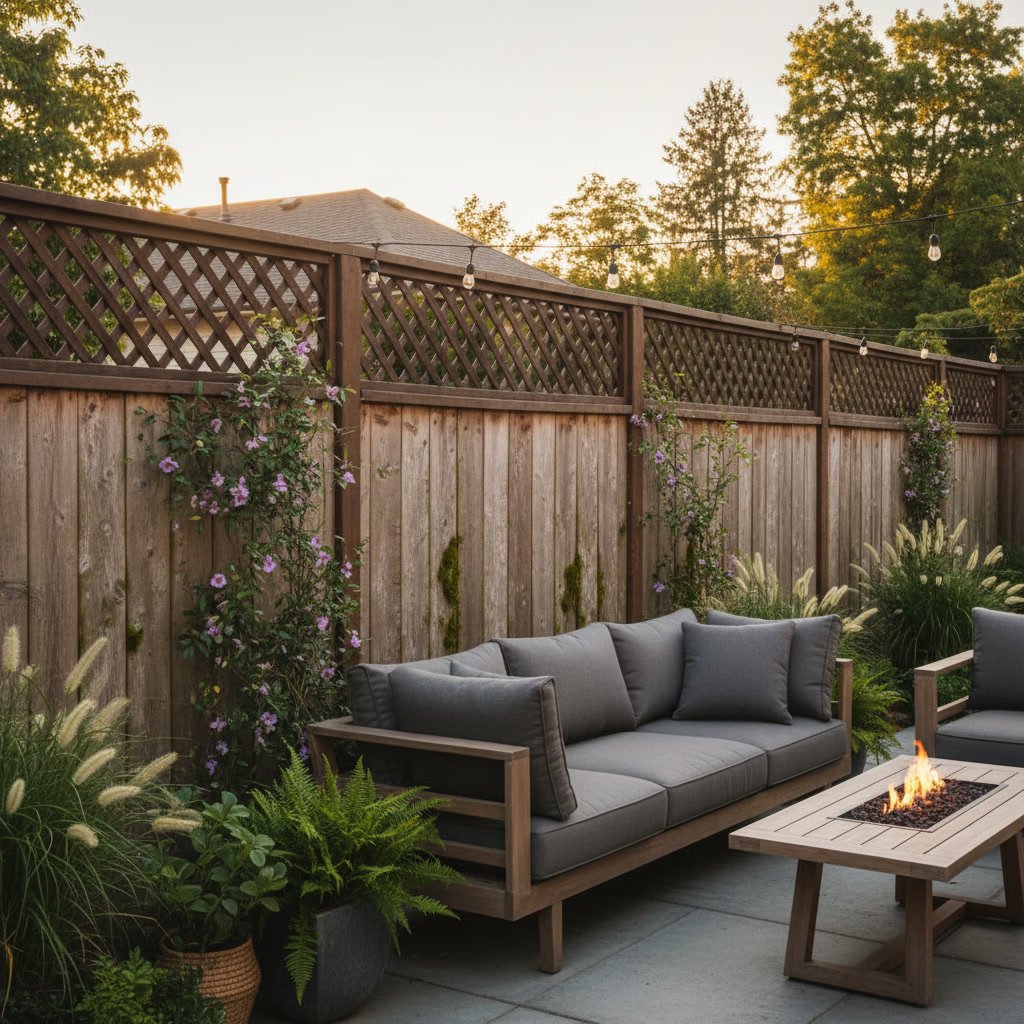
Adding height to an existing fence through fence privacy extensions lets you enhance privacy and security without tearing down and rebuilding the entire structure. These extensions attach to the top of your current fence posts, instantly raising the barrier by one to three feet. They cost significantly less than full replacement and can be installed in days rather than weeks, making them an efficient solution for homeowners who need more screening from neighbors or street traffic.
Why Standard Fence Heights Often Fall Short
Most residential fences stand between six and eight feet tall, a height that meets basic privacy needs for ground-level activities. However, this standard measurement doesn’t account for elevated decks, second-story windows, or tall neighboring structures. When your outdoor space sits higher than the fence line, or when surrounding homes have vantage points that look directly into your yard, the sense of privacy disappears quickly.
Older neighborhoods often have fences built to outdated height regulations or installed before adjacent properties added second stories. Rather than replace a structurally sound fence, extending the height addresses the privacy gap while keeping your investment intact.
The Cost Advantage of Adding Height Instead of Replacing
A full fence replacement typically costs between $15 and $50 per linear foot, depending on materials and labor rates in the Dallas area. Extensions, by contrast, run approximately $8 to $20 per linear foot because they use less material and require fewer labor hours. For a 100-foot fence line, extensions can save $1,000 to $3,000 compared to complete removal and reinstallation.
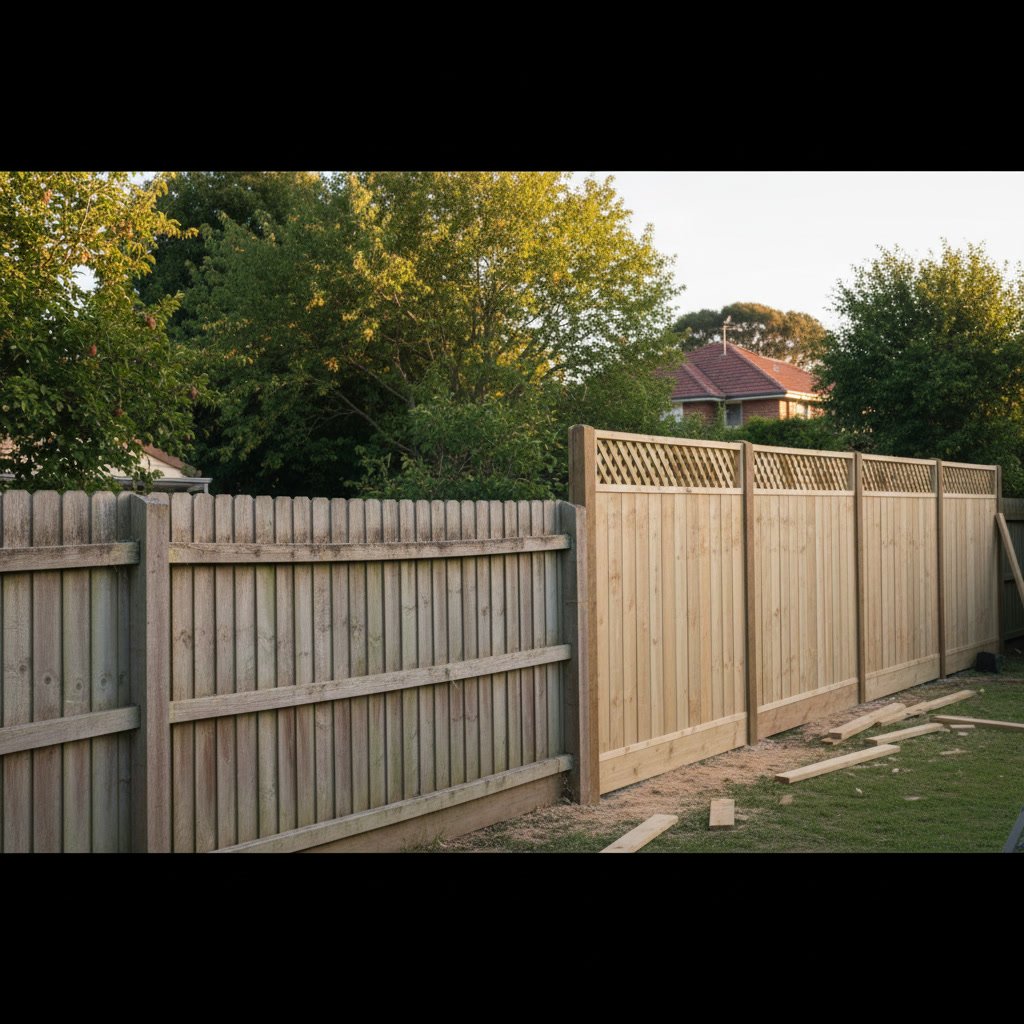
The existing posts and framework remain in place, eliminating demolition costs and the need to dig new post holes or pour fresh concrete. This advantage becomes even more significant if your current fence uses premium materials like cedar or composite that would be expensive to duplicate.
Labor efficiency also plays a role. Installing extensions takes one to three days for most residential projects, while a full replacement can stretch to a week or more depending on yard size and site conditions.
Material Options for Privacy Screen Extensions
Lattice panels offer one of the most affordable extension solutions, typically constructed from wood, vinyl, or composite. These panels create partial visibility while still blocking direct sightlines, and they allow air circulation that reduces wind load on the fence structure. Lattice works particularly well in areas with strict HOA guidelines because the semi-open design feels less imposing than solid panels.
Solid wood extensions match the look of traditional privacy fences and provide complete visual blocking. Cedar remains a popular choice for its natural resistance to rot and insects, though it requires periodic staining or sealing to maintain color and durability. Patio and fence specialists can help you match wood grain and finish to your existing fence for a seamless appearance.
Metal privacy screens made from aluminum or steel offer modern aesthetics and exceptional durability. Powder-coated finishes resist rust and fading, and the material requires virtually no maintenance beyond occasional hosing. Decorative laser-cut patterns can add visual interest while maintaining the primary function of screening.
Bamboo and reed screens provide a natural, tropical look that complements garden settings. These materials are lightweight and easy to install using cable ties or mounting hardware, though they have a shorter lifespan than wood or metal options and may need replacement every three to five years.
Structural Considerations Before Installation in Allen
Not every existing fence can support the added weight and wind resistance of an extension. The current posts must be structurally sound, set at least 24 to 30 inches into the ground, and secured in concrete footings. Posts showing rot, leaning, or wobbling need reinforcement or replacement before adding height.
Wind load becomes more critical as fence height increases. A six-foot fence extended to eight or nine feet catches significantly more wind force, especially during Texas storms that produce sustained high winds. Engineers typically recommend keeping total fence height under 10 feet for residential installations unless posts are spaced closer together or upgraded to larger dimensions.
Post spacing also matters. Standard six-foot spacing works for most extensions up to two feet tall. Taller additions or heavier materials may require intermediate posts or reinforcement brackets to prevent sagging between supports.
Comparing Installation Methods
Post-mounted extensions attach directly to the top of existing fence posts using metal brackets or wood cleats. This method provides the strongest connection and works best for solid panels or heavy materials. The extension becomes an integral part of the fence structure, with weight distributed directly to the posts rather than the fence boards.
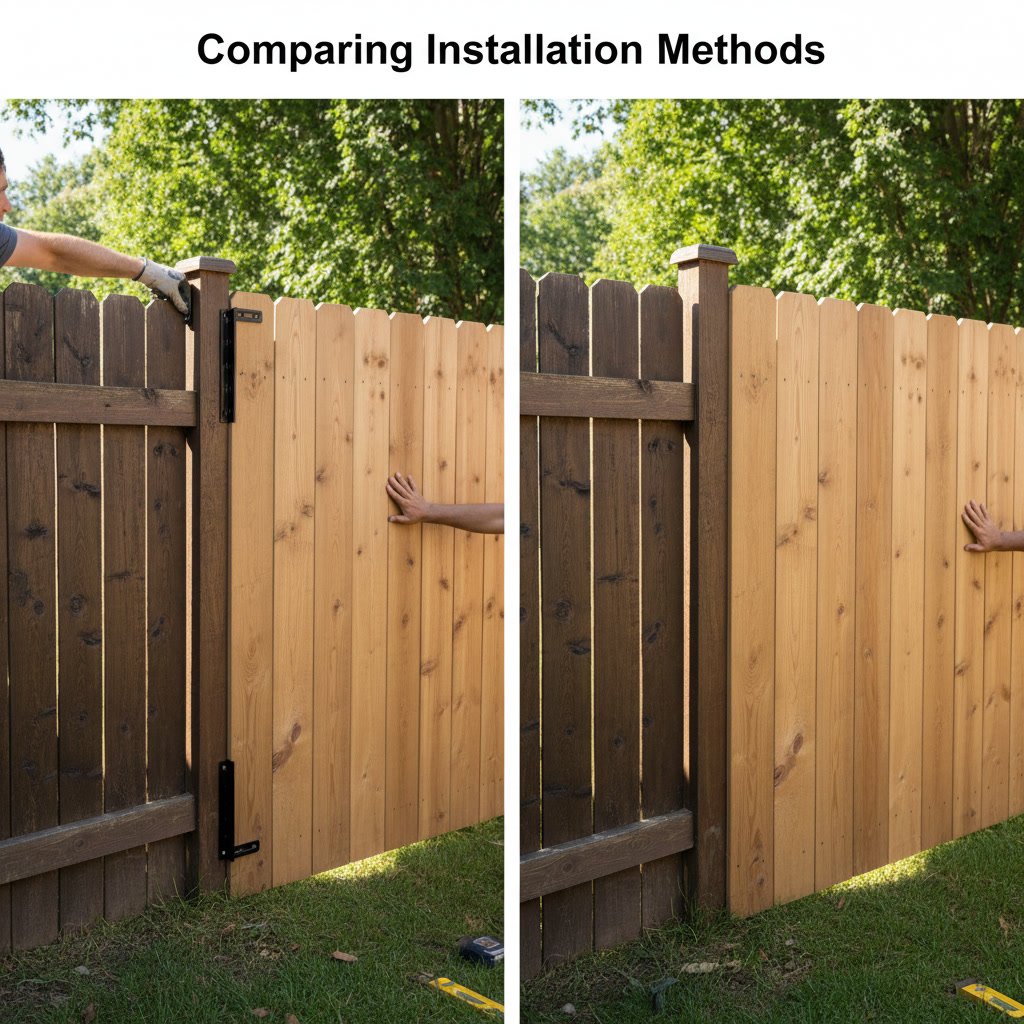
Rail-mounted systems clip onto the top horizontal rail of the existing fence. These installations work well for lightweight materials like lattice or bamboo screens and can be completed faster than post-mounted options. However, they place stress on the top rail rather than the posts, which may cause issues if the rail shows any weakness or the extension materials are heavier than anticipated.
Freestanding privacy screens bypass the existing fence entirely, using their own posts set behind or in front of the fence line. This approach works when the current fence cannot support additional weight or when you want flexibility to remove the screens seasonally. Freestanding units cost more because they require separate footings, but they don’t risk damaging your existing fence if something goes wrong.
Permitting and Code Requirements
Most municipalities in the Dallas-Fort Worth area require permits for fences over six feet tall, and extensions that bring total height above this threshold typically fall under the same regulations. Before starting your project, check with your local building department to confirm height limits, setback requirements, and whether a permit is necessary.
Homeowners associations often have additional restrictions beyond city codes. HOA architectural review committees may limit extension materials, colors, or maximum heights. Submit your plans for approval before purchasing materials to avoid costly revisions or removal orders.
Setback rules determine how close to property lines you can build. Extensions that add height sometimes trigger stricter setback measurements, potentially requiring the entire fence to move further from the boundary line if you want additional screening.
Matching Extensions to Existing Fence Styles
Achieving a cohesive look requires careful attention to proportions and materials. Extensions that contrast too sharply with the base fence can make your yard feel disjointed and may hurt property value. For traditional wood privacy fences, using the same wood species and finish creates the most seamless transition.
If exact matching isn’t possible or desired, consider framing the extension as a deliberate design element. Painting the extension in a complementary accent color or using a different material like metal screens can create an intentional layered effect rather than a mismatched afterthought.
Lattice toppers work across most fence styles because their semi-transparent nature makes material differences less obvious. The open pattern also softens the visual weight of the added height, making tall fences feel less imposing from both inside and outside the yard.
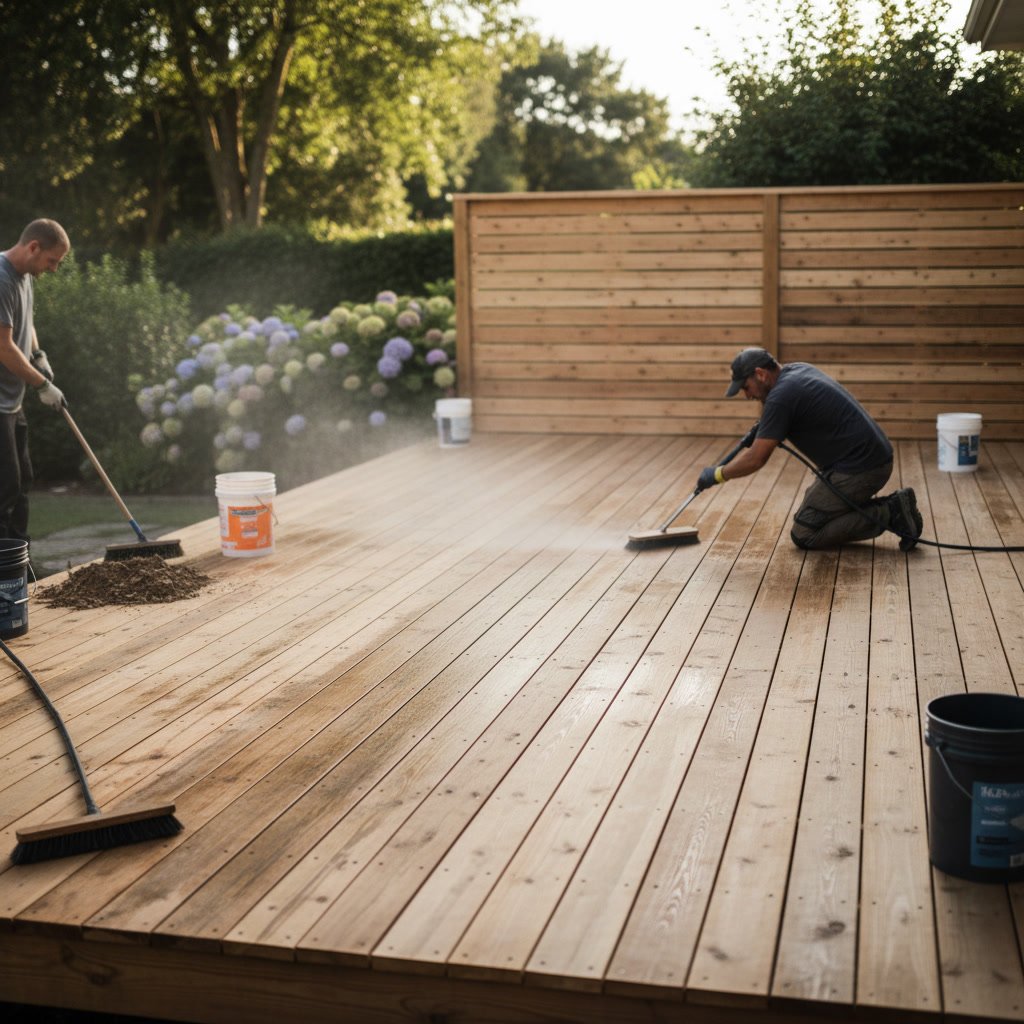
For homeowners who previously completed fence staining and sealing projects, extending the same maintenance routine to new extensions ensures consistent color and weather protection across the entire structure.
Weather Durability and Maintenance
Texas weather tests outdoor structures with intense summer heat, occasional freezes, high winds, and dramatic temperature swings. Materials chosen for extensions must handle these conditions without warping, cracking, or fading prematurely.
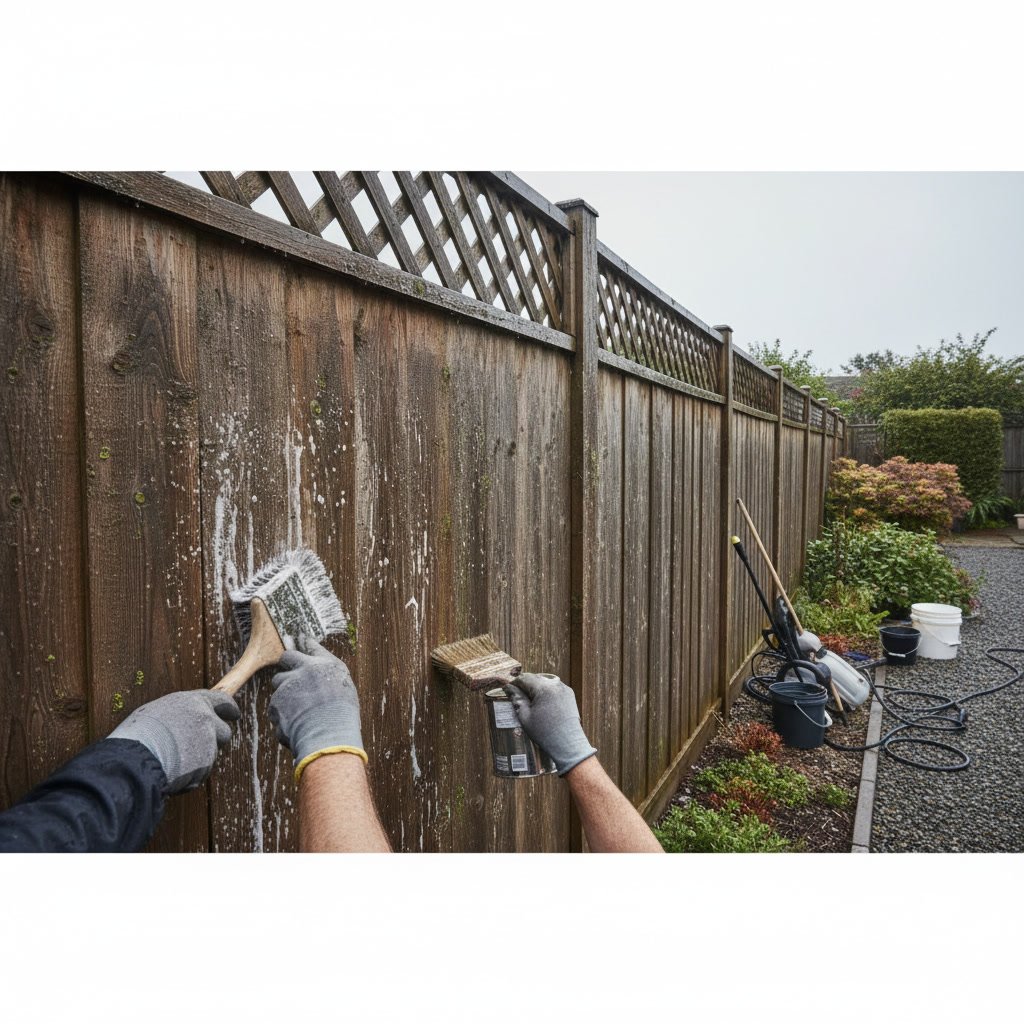
Wood extensions need annual inspection for signs of rot, especially where horizontal members connect to posts. Apply a fresh coat of sealant or stain every two to three years to maintain moisture resistance. Cedar and redwood naturally resist decay better than pine, making them better long-term investments despite higher initial costs.
Vinyl and composite materials offer the lowest maintenance requirements, needing only periodic washing with soap and water. These materials won’t rot or require refinishing, though extreme heat can cause some expansion that affects fit over time. Quality products include UV inhibitors that prevent fading and brittleness from sun exposure.
Metal screens should be checked annually for rust spots, particularly around fasteners and joints. Touch up any damaged powder coating promptly to prevent corrosion from spreading. In coastal or high-humidity areas, choose aluminum over steel for superior rust resistance.
Just as preparation matters when working on fence materials suited for Texas conditions, proper installation and material selection for extensions prevent premature failure and reduce long-term maintenance costs.
Installation Timeline and Process
Most extension projects for standard residential yards take one to two days once materials arrive on site. The installer first evaluates post condition and stability, reinforcing or replacing compromised posts before adding height. This inspection step is critical because problems hidden at ground level become obvious once additional weight and wind resistance are added.
Mounting hardware gets installed next, with brackets or cleats attached to posts or rails using corrosion-resistant screws or bolts. Proper alignment at this stage prevents panels from tilting or gaps from appearing between sections. Professional installers use laser levels to ensure the top line stays perfectly horizontal across the entire fence run.
Extension panels are then secured to the mounting hardware, starting at one end and working systematically to the other. Installers check each connection for tightness and adjust spacing to maintain consistent gaps for thermal expansion. The final step involves sealing any exposed cut ends and making sure all fasteners sit flush to prevent snagging or injury.
How Extensions Complement Other Outdoor Projects
Privacy screens often work best as part of a larger outdoor improvement plan. If you’re planning a new deck or patio, coordinating fence extensions with that project creates better overall privacy for the finished space. Professional carpentry services can integrate deck railings with fence extensions for a unified design.
Landscaping decisions also affect extension effectiveness. Tall shrubs or trees planted along the fence line provide natural screening that can reduce how much height you need to add. Combining living plants with structural extensions creates layered privacy that looks more organic than a solid barrier alone.
Outdoor lighting installations benefit from coordination with extension projects. Adding uplights or string lights to the new top rail extends yard usability into evening hours while highlighting the improved privacy features.
Enhancing Your Yard Without Starting Over
Adding height to your existing fence through extensions delivers immediate privacy improvements while respecting your budget and timeline. The approach works particularly well when posts and framework remain structurally sound but screening needs have changed due to new construction nearby or evolving use of your outdoor space.
Choosing materials that match your climate and maintenance preferences ensures the extension performs well for years. Proper installation that accounts for wind loads and weight distribution protects both the extension and your existing fence from premature failure.
Casa & Co Renovators brings extensive experience to fence modification projects throughout the Dallas-Fort Worth area. Our team evaluates your existing structure, recommends appropriate materials and methods, and completes installations that enhance both function and appearance. Whether your property sits in Plano, McKinney, or surrounding communities, we understand local building codes and weather challenges that affect outdoor projects. Contact us at +19722079516 to discuss how privacy extensions can transform your yard without the expense and disruption of complete fence replacement.