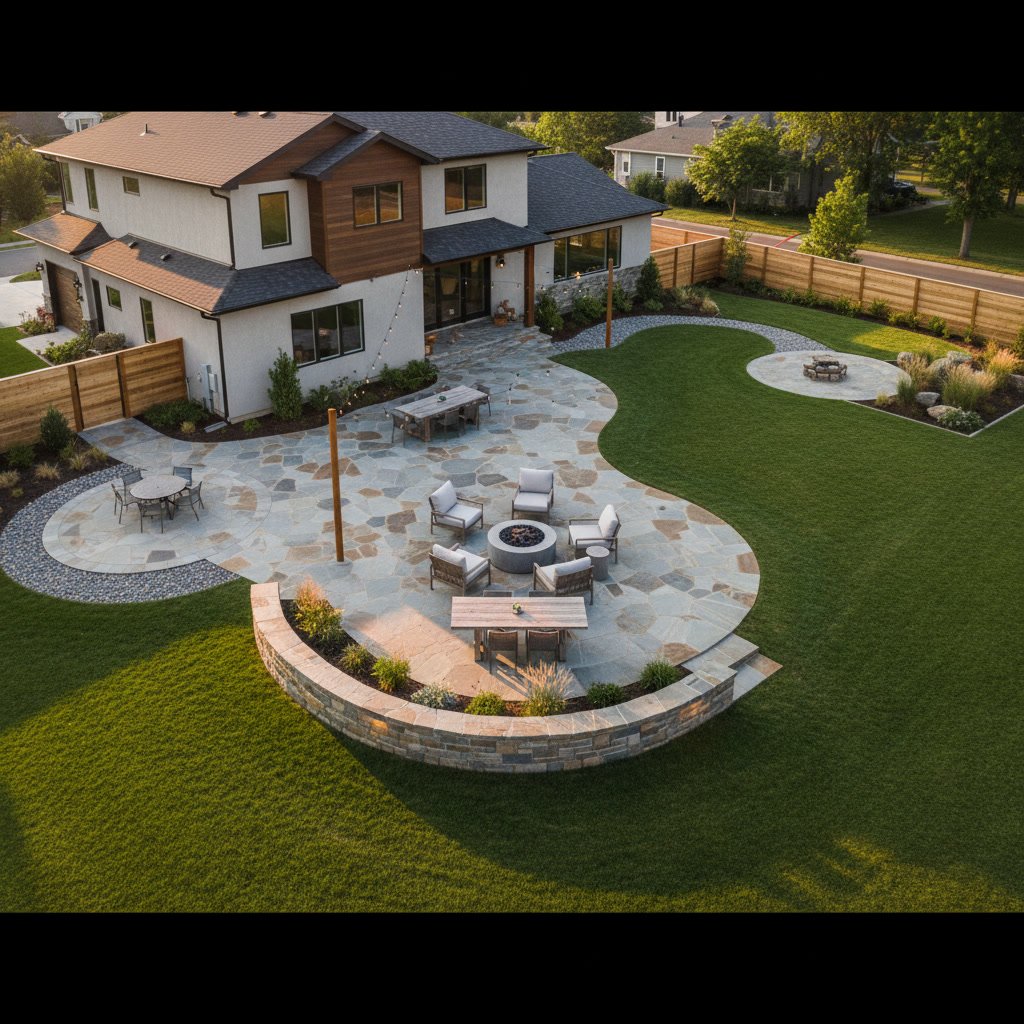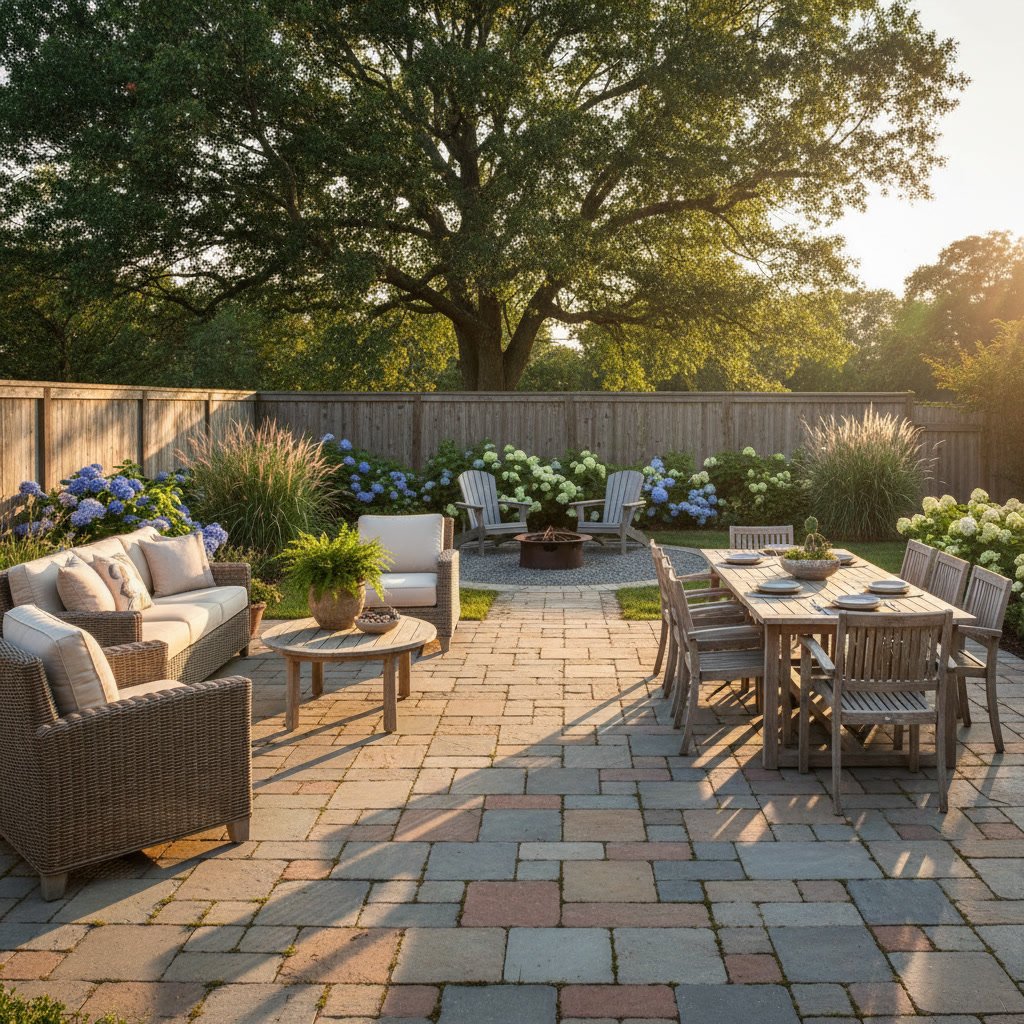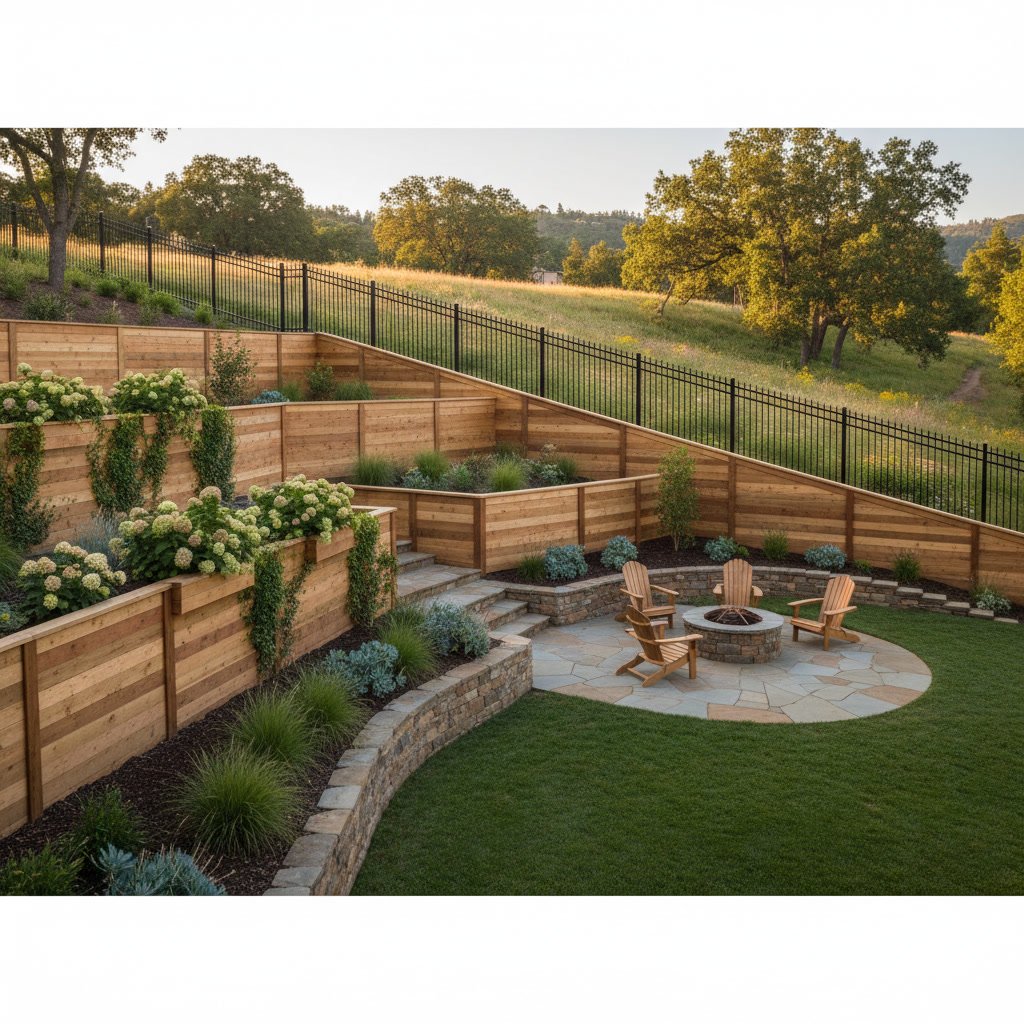
Choosing between wood and vinyl comes down to three main factors: your budget, how much time you want to spend on upkeep, and the look you want for your property. Wood offers natural beauty and customization but requires regular staining and sealing every two to three years. Vinyl delivers low maintenance and long-term durability with minimal care, though it carries a higher upfront cost and fewer design options.
Understanding Your Fencing Investment
A fence does more than mark property lines. It adds security, privacy, and curb appeal to your home. The material you choose affects not just the initial price tag but also how much time and money you spend over the fence’s lifetime. Most homeowners focus only on installation costs, but maintenance expenses and replacement timelines matter just as much when calculating true value.
Both wood and vinyl have earned their place in residential construction. Each material brings distinct advantages depending on your priorities. Before you commit to either option, you need to understand how they perform in real-world conditions, especially in North Texas where heat, humidity, and storms test every outdoor structure.
The Cost Breakdown You Need to Know
Wood fencing typically costs between $15 and $30 per linear foot installed, depending on the wood species and style. Cedar and redwood sit at the higher end due to their natural rot resistance, while pressure-treated pine offers the most budget-friendly option. A standard 150-foot privacy fence in wood runs between $2,250 and $4,500.
Vinyl fencing starts higher, usually between $25 and $40 per linear foot installed. That same 150-foot fence costs $3,750 to $6,000 in vinyl. The initial sticker shock turns many homeowners toward wood, but vinyl requires almost no maintenance costs over its lifespan. Wood needs staining or sealing every two to three years at $500 to $1,500 per treatment, plus potential board replacements from rot or insect damage.
Maintenance Requirements and Time Investment
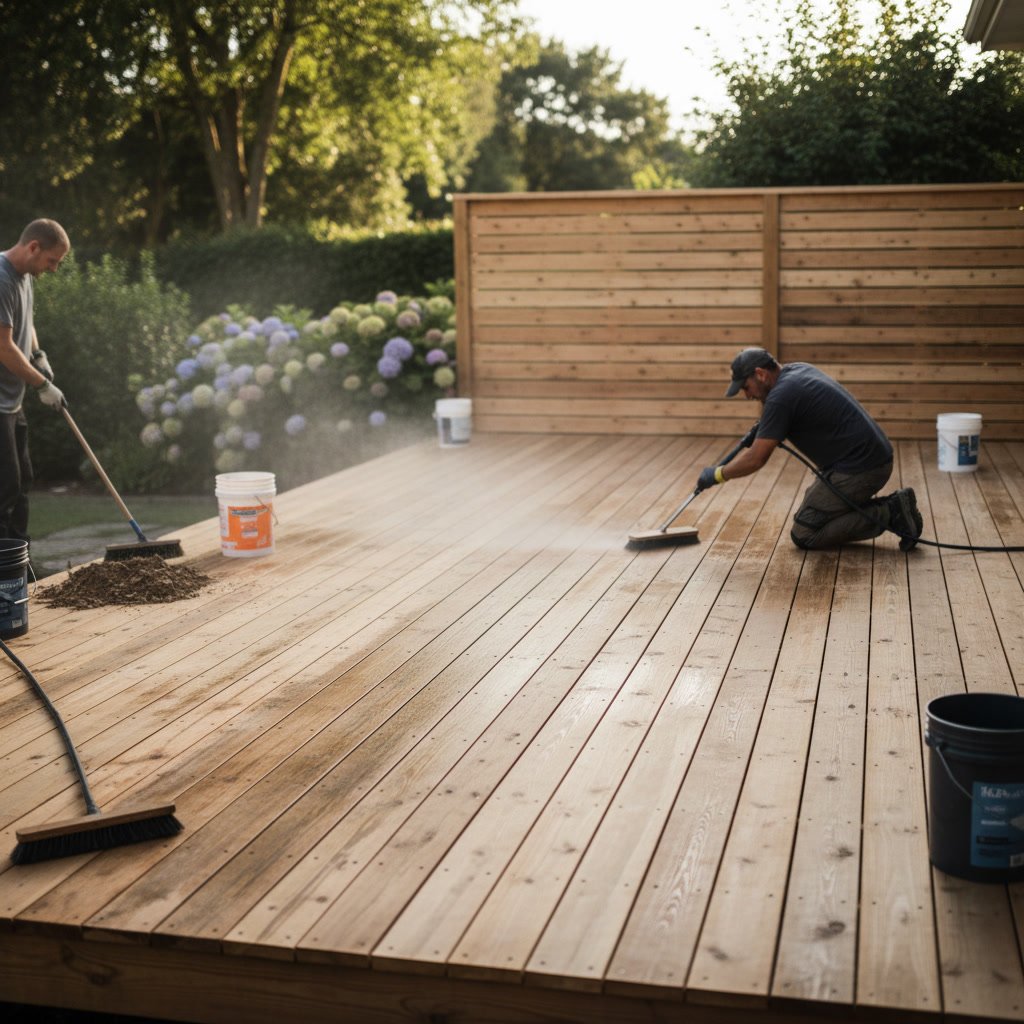
Wood fencing demands regular attention. You must inspect it annually for loose boards, protruding nails, and signs of rot or insect activity. Every two to three years, the entire fence needs cleaning, sanding if necessary, and a fresh coat of stain or sealant. This process takes a full weekend for most residential properties, or you pay a professional $500 to $1,500 depending on fence size.
Vinyl fencing needs only occasional cleaning with soap and water. A garden hose and 30 minutes handles most dirt and mildew. No painting, no staining, no sealing. The material resists rot, insects, and moisture damage without any protective treatments. Most vinyl manufacturers offer warranties of 20 to 30 years, some even lifetime guarantees, because the material holds up so well with minimal care.
Durability and Lifespan in North Texas Conditions
A well-maintained wood fence lasts 15 to 20 years in Texas. Cedar and redwood can push toward 25 years with excellent care. Pressure-treated pine usually hits 15 years before rot and warping become significant issues. Heat, humidity, and the freeze-thaw cycles common in the Dallas-Fort Worth area accelerate wood deterioration. Ground contact posts often fail first, requiring replacement even when fence boards remain solid.
Vinyl fencing routinely lasts 30 years or more. The material does not rot, warp, or attract insects. Extreme temperature swings can cause slight expansion and contraction, but quality vinyl products account for this in their installation specifications. UV exposure causes the biggest concern, as cheaper vinyl can become brittle and fade over time. High-quality vinyl with UV inhibitors maintains color and strength for decades.
Aesthetic Appeal and Design Flexibility
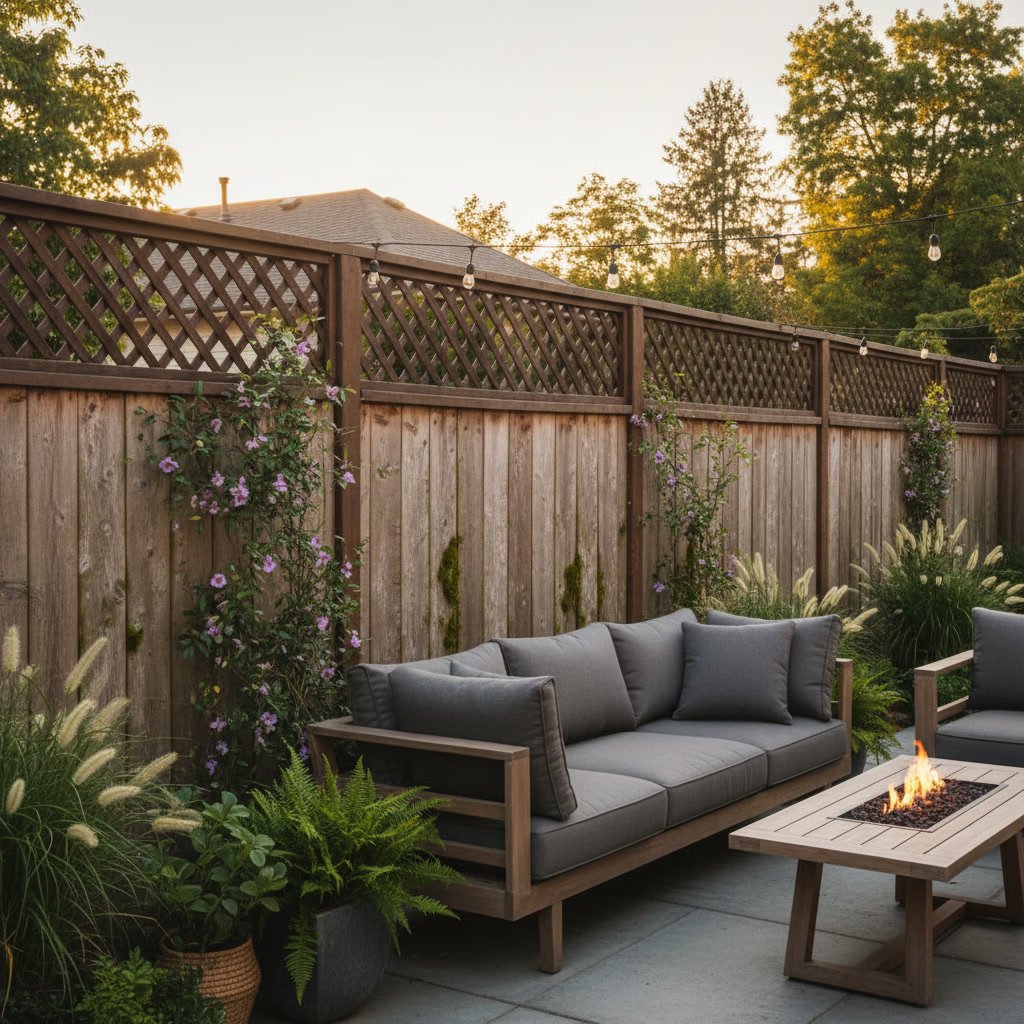
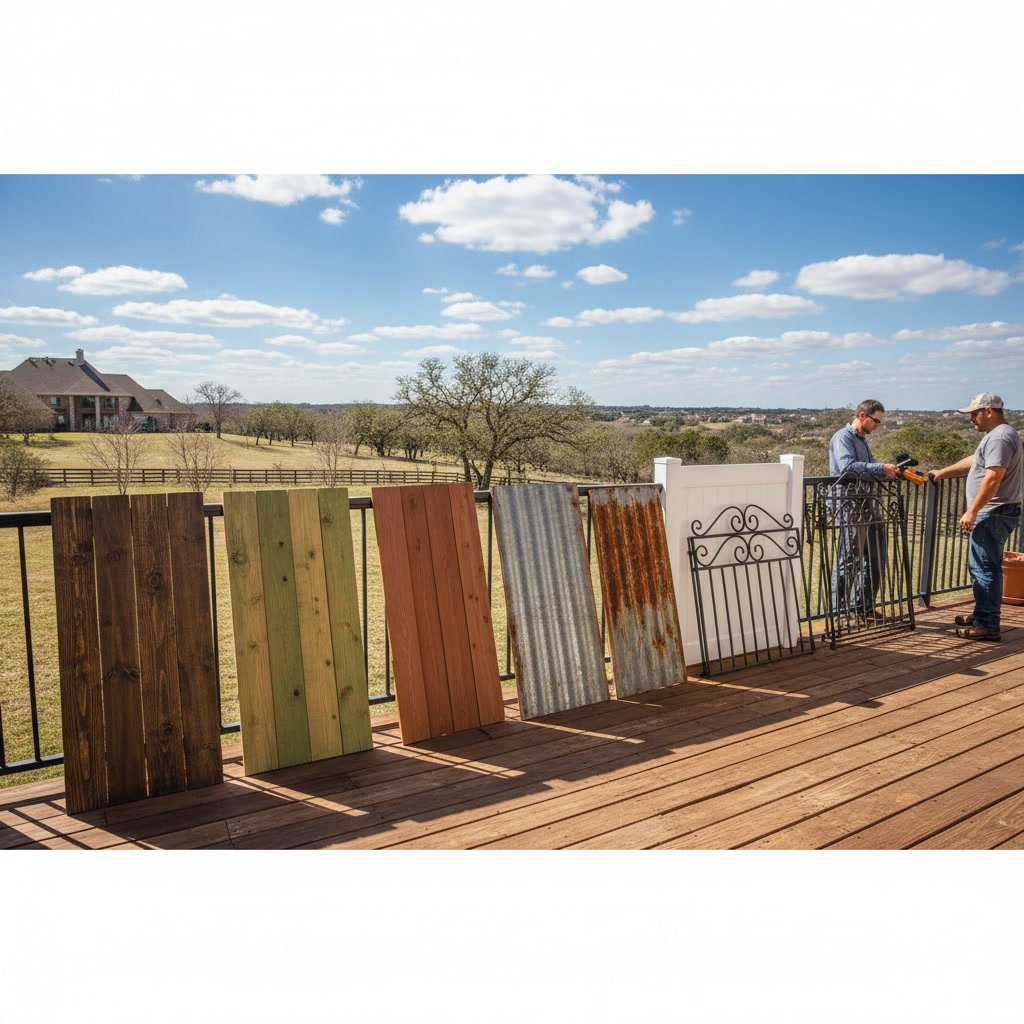
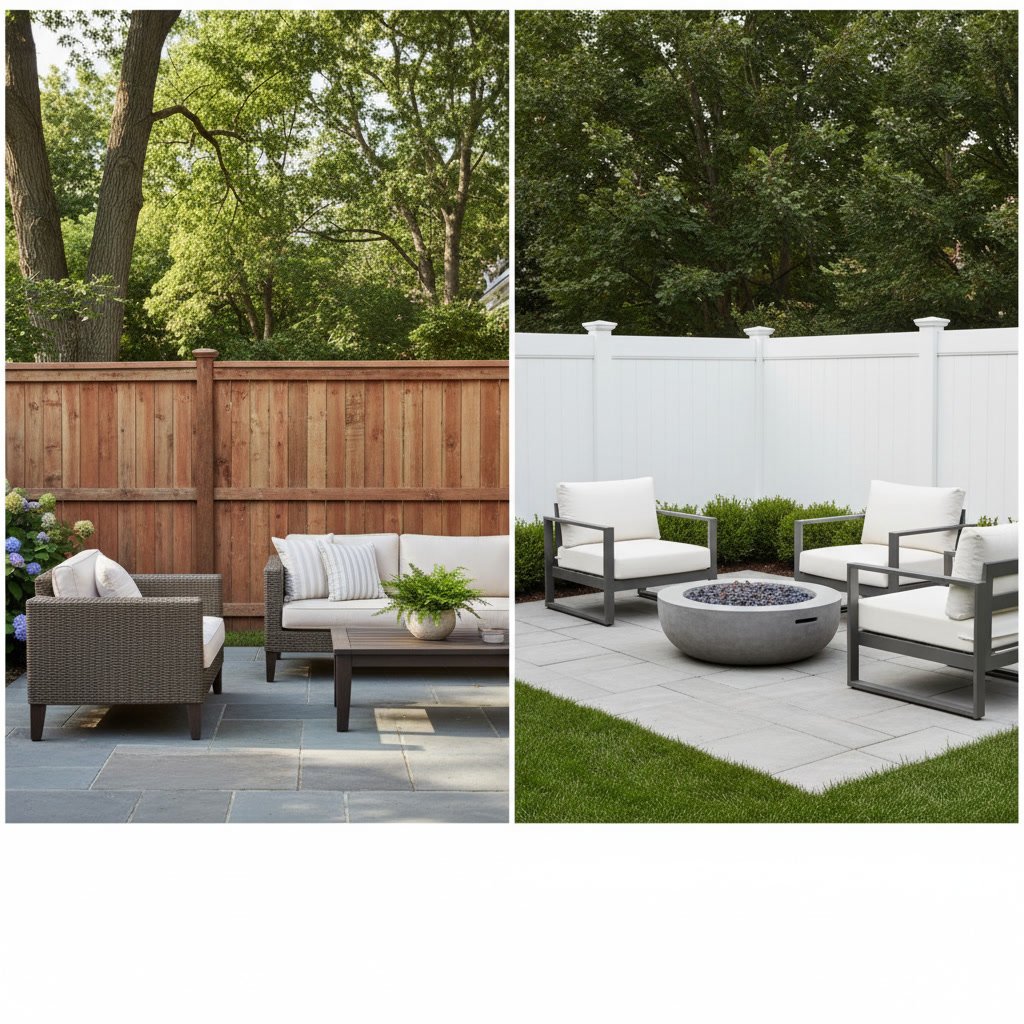
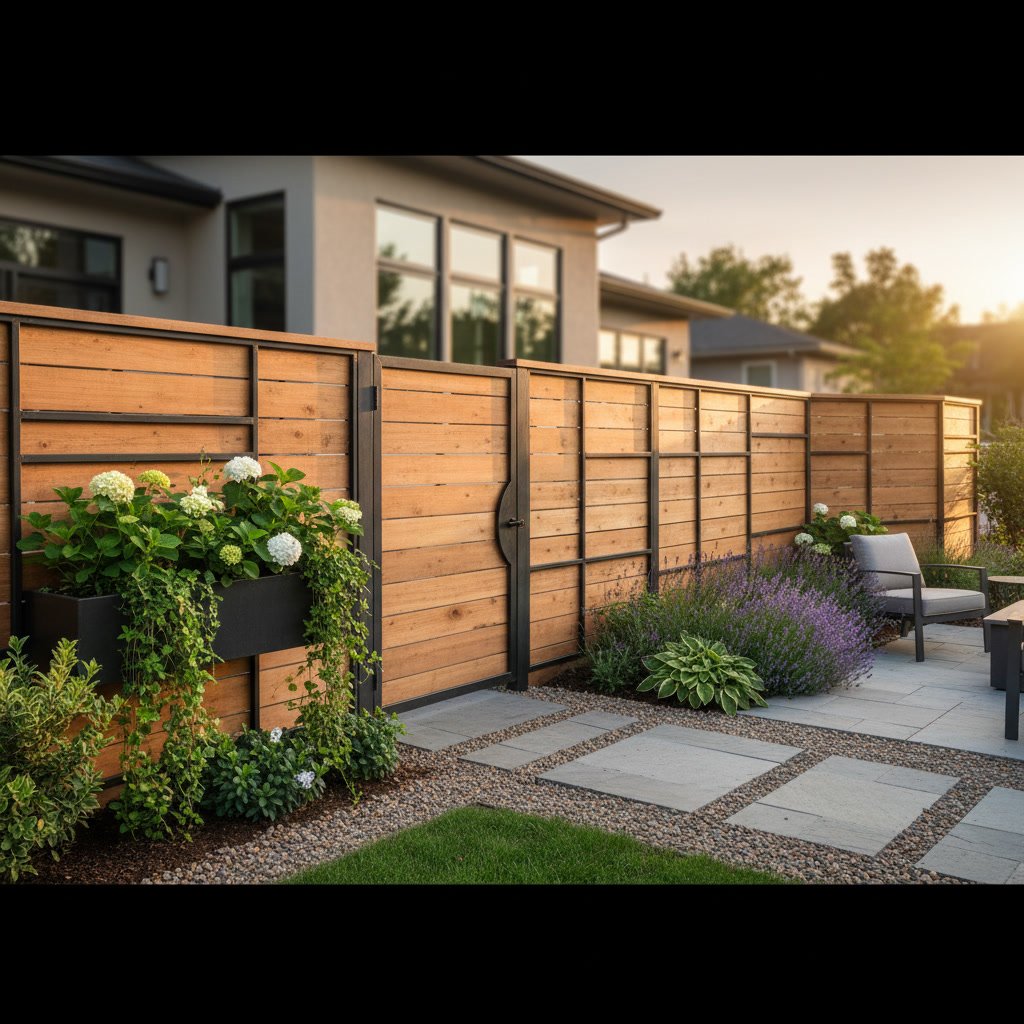
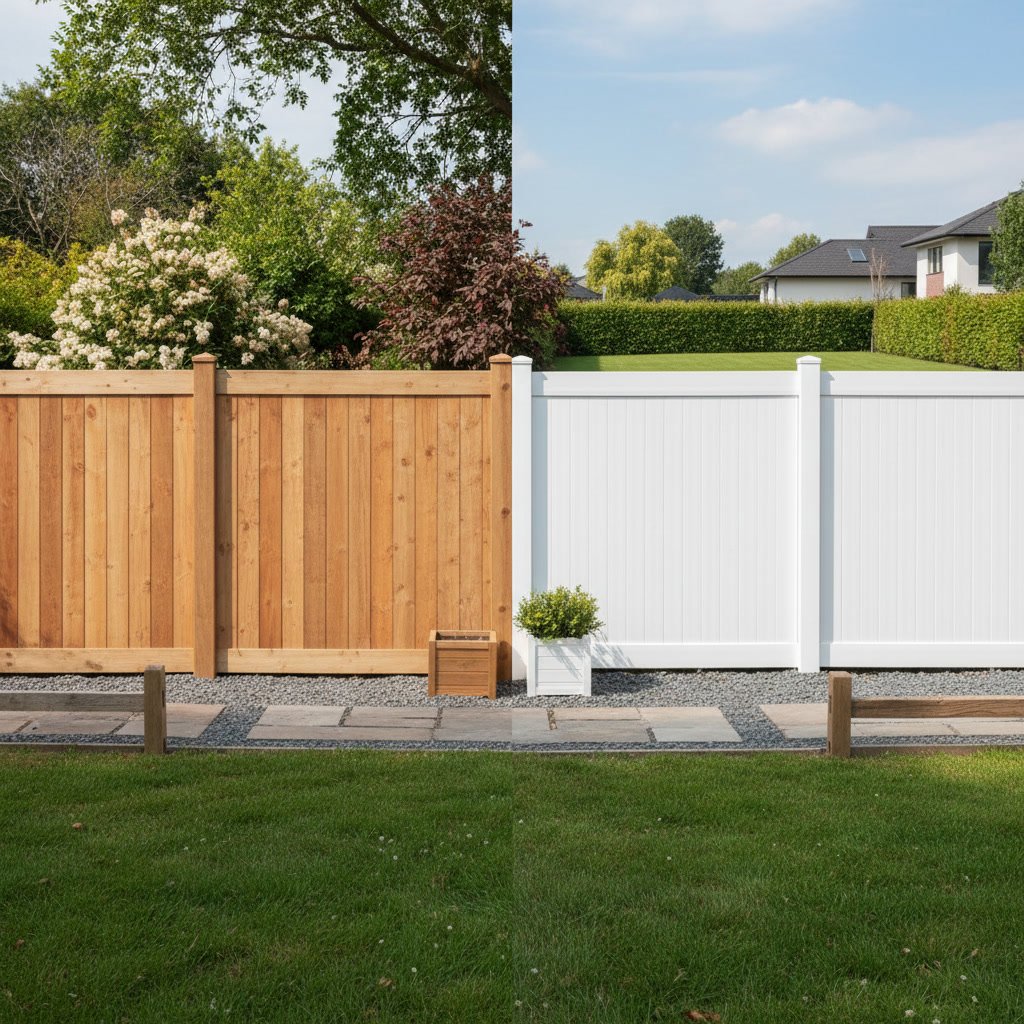
Wood wins on customization. You can cut it to any height, shape pickets into custom designs, and stain or paint it any color. The natural grain and texture give wood a warmth that many homeowners prefer, especially in traditional or rustic settings. You can also change the color years later by restaining, giving you design flexibility as landscaping or home exteriors evolve.
Vinyl comes in limited styles, heights, and colors. White, tan, and gray dominate the market. Some manufacturers offer wood-grain textures, but they never quite match the authentic look of real wood. Once installed, the color stays permanent. You cannot paint or stain vinyl. For homeowners who value a classic white picket fence or clean modern lines, vinyl delivers. For those wanting unique character or planning to match specific architectural details, wood offers far more options.
Installation Considerations for Allen, Frisco, and McKinney Properties
Both materials require similar installation processes. Posts go into concrete footings, rails connect the posts, and pickets or panels attach to the rails. Wood installation moves slightly faster because the material is easier to cut and adjust on-site. Vinyl requires more precise measurements since panels come pre-manufactured and cannot be trimmed as freely.
Soil conditions in Collin County and surrounding areas affect installation. The clay-heavy soil expands and contracts with moisture changes, putting stress on fence posts. Proper depth and concrete footings matter for both materials. Posts should extend at least two feet below ground, deeper for taller fences. Professional installation ensures posts stay plumb and properly spaced, preventing sagging and misalignment that plague DIY projects.
Environmental Impact and Sustainability
Wood is a renewable resource when sourced from responsibly managed forests. It biodegrades at the end of its life and can often be repurposed or recycled. However, the chemical treatments in pressure-treated lumber raise environmental concerns, and the regular staining or sealing required releases volatile organic compounds into the air.
Vinyl is a petroleum-based product that does not biodegrade. Manufacturing processes consume significant energy and produce emissions. On the positive side, many vinyl fences contain recycled content, and the material’s longevity means fewer replacements over time. Some manufacturers now offer recycling programs for old vinyl fencing, though these remain less common than wood recycling options.
Side-by-Side Comparison: Key Factors
When deciding between materials, consider these critical differences:
- Initial Cost: Wood costs 30% to 40% less upfront than vinyl for most installations.
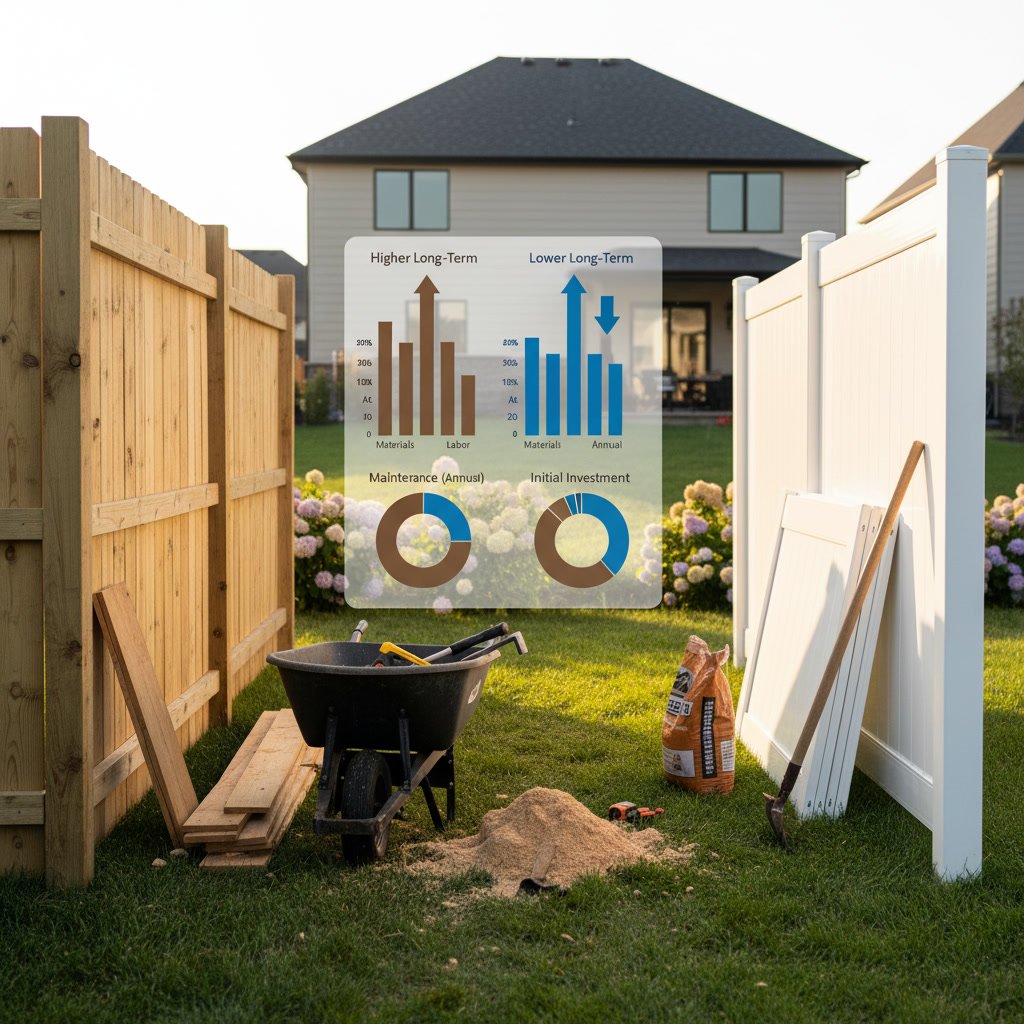
- Lifetime Cost: Vinyl often breaks even or becomes cheaper after 10 to 15 years when maintenance expenses are factored in.
- Maintenance Time: Wood requires 10 to 20 hours of maintenance every two to three years; vinyl needs under two hours annually.
- Weather Resistance: Vinyl handles moisture and insects better; wood performs better in extreme wind if properly braced.
- Repair Difficulty: Individual wood boards replace easily; damaged vinyl panels often require full section replacement.
- Resale Value: Both add similar property value when well-maintained, though regional buyer preferences vary.
Your decision should align with how long you plan to stay in your home. If you expect to move within five to seven years, wood’s lower initial cost makes financial sense. If you plan to stay 15 years or more, vinyl’s lower lifetime cost and minimal maintenance become more attractive.
Climate Considerations for the Dallas-Fort Worth Metroplex
North Texas weather tests both materials. Summer temperatures regularly exceed 100 degrees, while winter can bring ice storms and occasional hard freezes. Wood expands and contracts with humidity changes, leading to warping and splitting over time. The intense UV exposure fades stain quickly, often requiring touch-ups between full refinishing cycles.
Vinyl holds up well to heat but can become brittle in extreme cold. Quality products rated for temperature extremes perform better. The material does not absorb moisture, so it handles humidity and rain without rotting or swelling. Fading remains the primary concern. Premium vinyl with built-in UV protection maintains color better than economy grades, a worthwhile upgrade given the intense Texas sun.
When Wood Makes the Better Choice
Wood suits properties where budget constraints make the lower initial cost essential. It also works best when you want a specific aesthetic that vinyl cannot match, such as horizontal slat styles, custom heights, or natural wood tones. Homeowners who enjoy hands-on property maintenance and take satisfaction in preserving natural materials often prefer wood.
Wood also repairs more easily. A single damaged board takes 10 minutes and $5 to replace. You can find matching materials at any lumber yard. This advantage matters if you have large dogs, active children, or live in areas prone to falling branches. The ability to make quick, inexpensive repairs keeps your fence looking good without waiting for special-order parts.
When Vinyl Delivers Better Value
Vinyl makes sense when you prioritize convenience and long-term value over initial savings. Busy homeowners who cannot commit to regular maintenance schedules benefit most. The material also suits rental properties where landlords want durable, low-maintenance improvements that tenants cannot easily damage or neglect.
Choose vinyl if you plan to stay in your home long-term. The higher upfront investment pays off through eliminated maintenance costs and longer replacement cycles. For homeowners in HOA communities with strict appearance standards, vinyl’s consistent look requires no upkeep to stay compliant. The material never needs painting or staining to maintain curb appeal.
Making the Right Decision for Your Property
The best fence material depends on your specific situation, not universal rules. Calculate your total cost of ownership over 15 to 20 years, including materials, installation, maintenance, and likely repairs. Factor in your available time for upkeep and your comfort level with ongoing projects. Consider your home’s style and whether natural wood or manufactured vinyl complements the architecture better.
Both materials deliver excellent performance when properly installed and maintained according to their requirements. The wrong choice is not wood or vinyl itself, but selecting a material that does not match your budget, time availability, or aesthetic preferences. Work with experienced contractors who install both materials regularly. They can show you local examples, explain regional performance differences, and ensure proper installation regardless of which material you choose.
Capital D LLC has installed hundreds of fences across Plano, Frisco, McKinney, and surrounding communities since 2014. Our team helps homeowners evaluate their specific needs and choose materials that deliver the best value for their situation. Whether you decide on the natural beauty of wood or the low-maintenance convenience of vinyl, professional installation ensures your fence performs well for years to come. Contact us at +19722079516 to discuss your fencing project and get an accurate quote based on your property’s unique requirements.