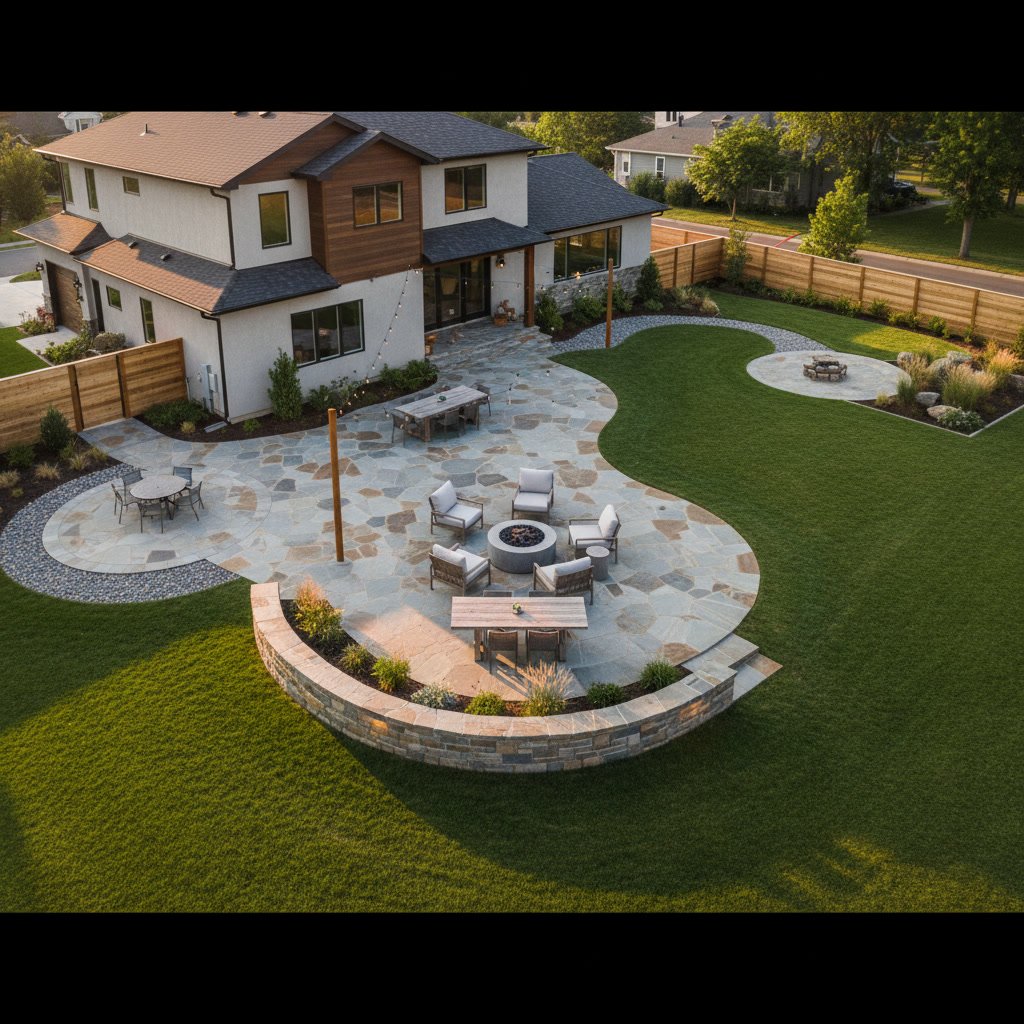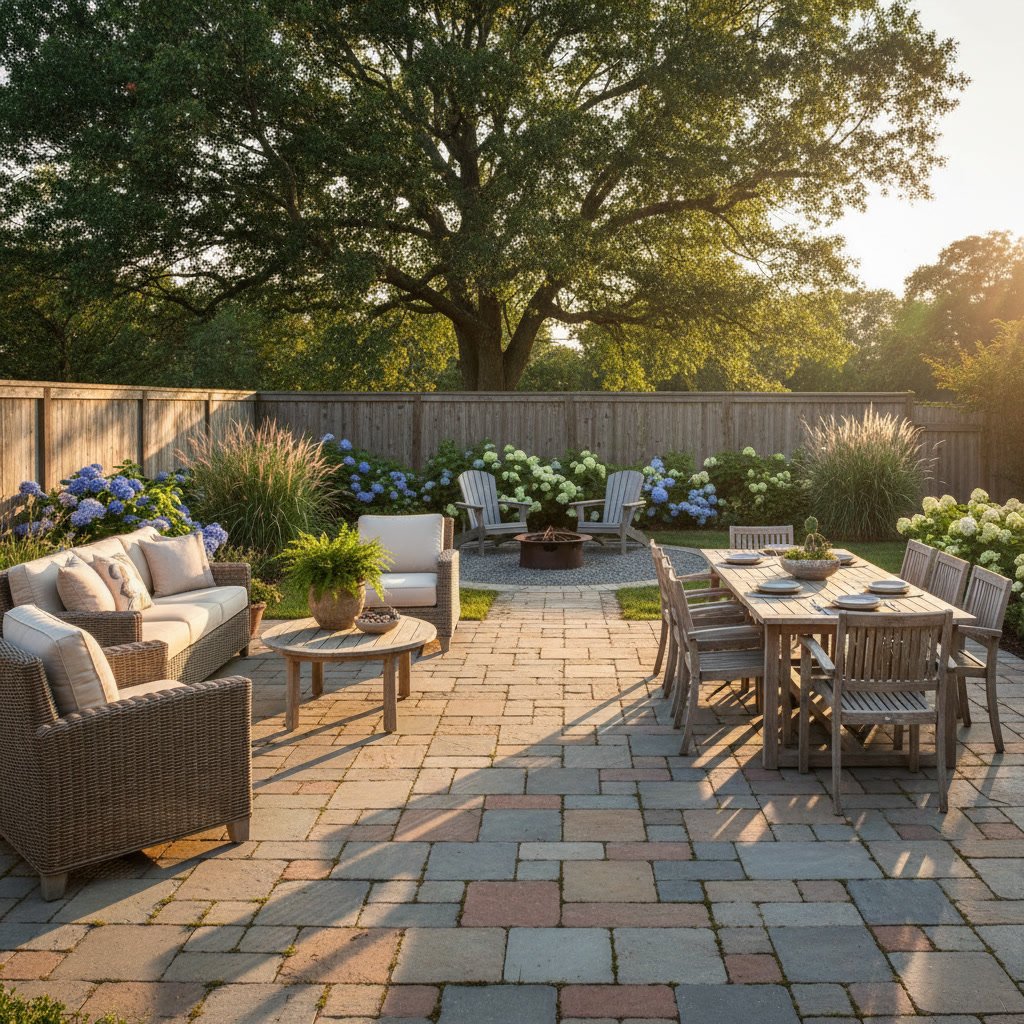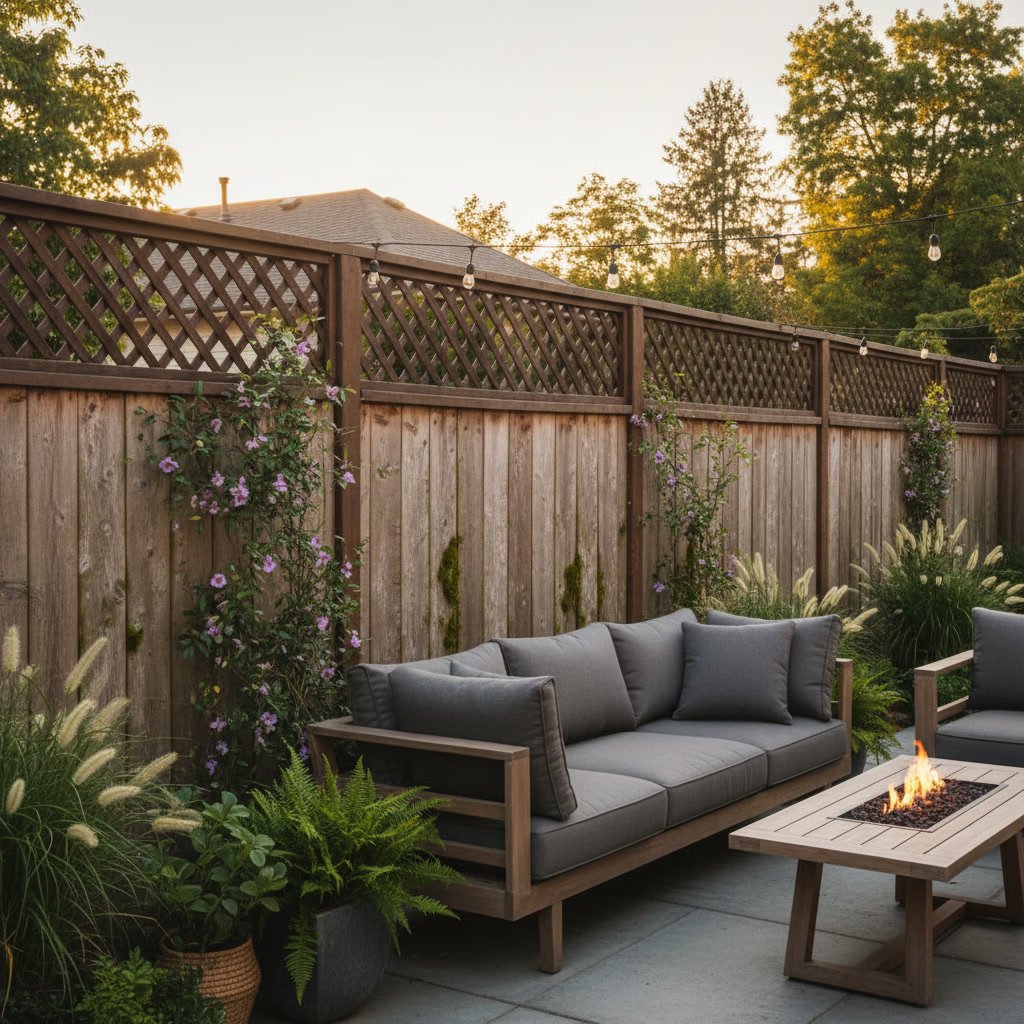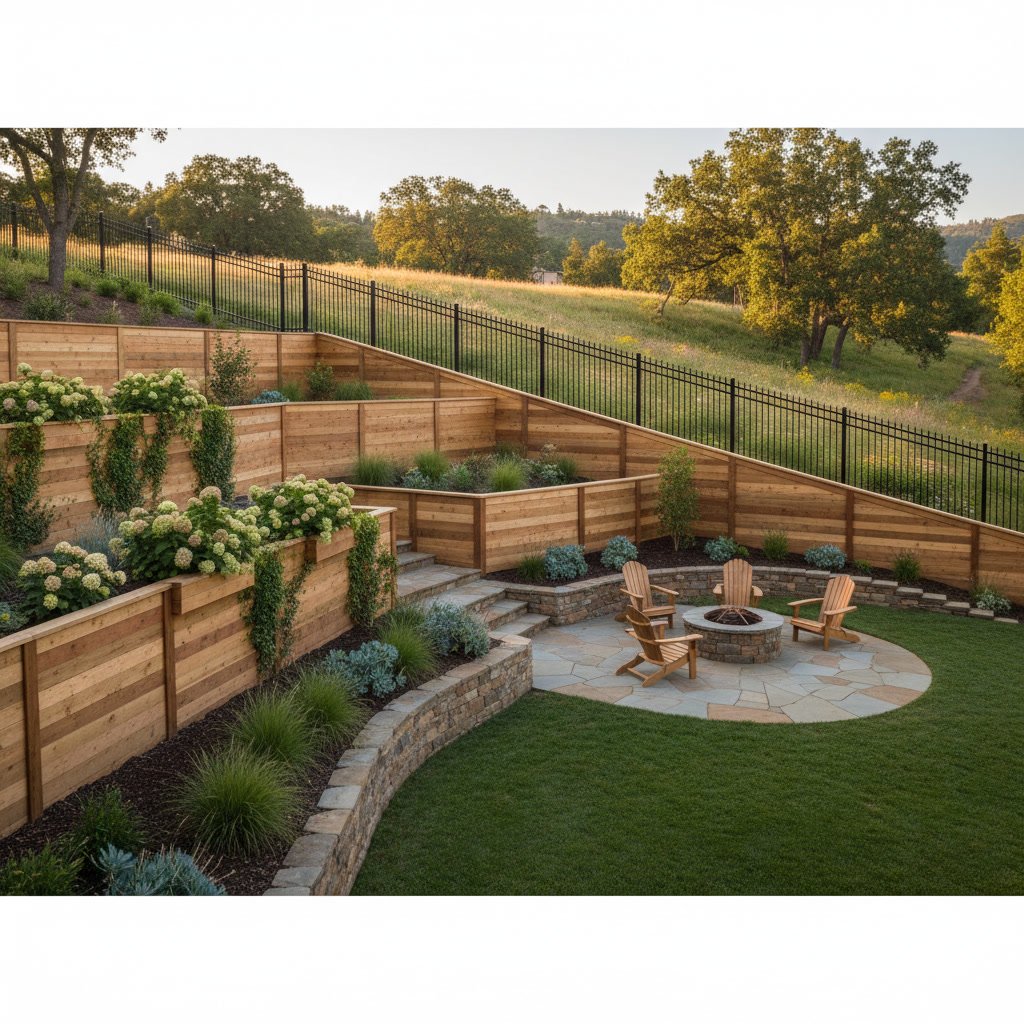
Texas weather puts unique demands on outdoor structures, especially fencing. When you choose fence material for your property, you must account for extreme heat, intense UV exposure, sudden storms, and high humidity levels that cycle throughout the year. The right material withstands these conditions while maintaining both function and appearance, protecting your investment for decades.
Understanding Texas Climate Challenges
The Dallas-Fort Worth area experiences temperature swings from below freezing in winter to over 100 degrees in summer. Your fence endures direct sunlight for 10 to 12 hours daily during peak months, causing materials to expand and contract repeatedly. This thermal stress cracks weak materials and warps poorly chosen options within just a few seasons.
Humidity adds another layer of complexity. Summer moisture levels often exceed 70 percent, creating perfect conditions for rot, mold, and insect activity in vulnerable materials. Spring storms deliver high winds, hail, and heavy rain that test structural integrity. A fence installed without consideration for these factors will require expensive repairs or complete replacement far sooner than expected.
Why Material Selection Matters More Than Installation
Even perfect installation cannot compensate for the wrong material choice. A beautifully installed cedar fence will still warp in relentless sun without proper maintenance. An aluminum fence may buckle under hail impact if the gauge is too thin. The material itself determines longevity, maintenance requirements, and total cost of ownership over the fence’s lifetime.
Professional fence installation starts with matching material properties to local conditions. This decision affects not just durability but also your time commitment, as some materials demand annual maintenance while others require virtually none.
Wood Fencing in North Texas Heat
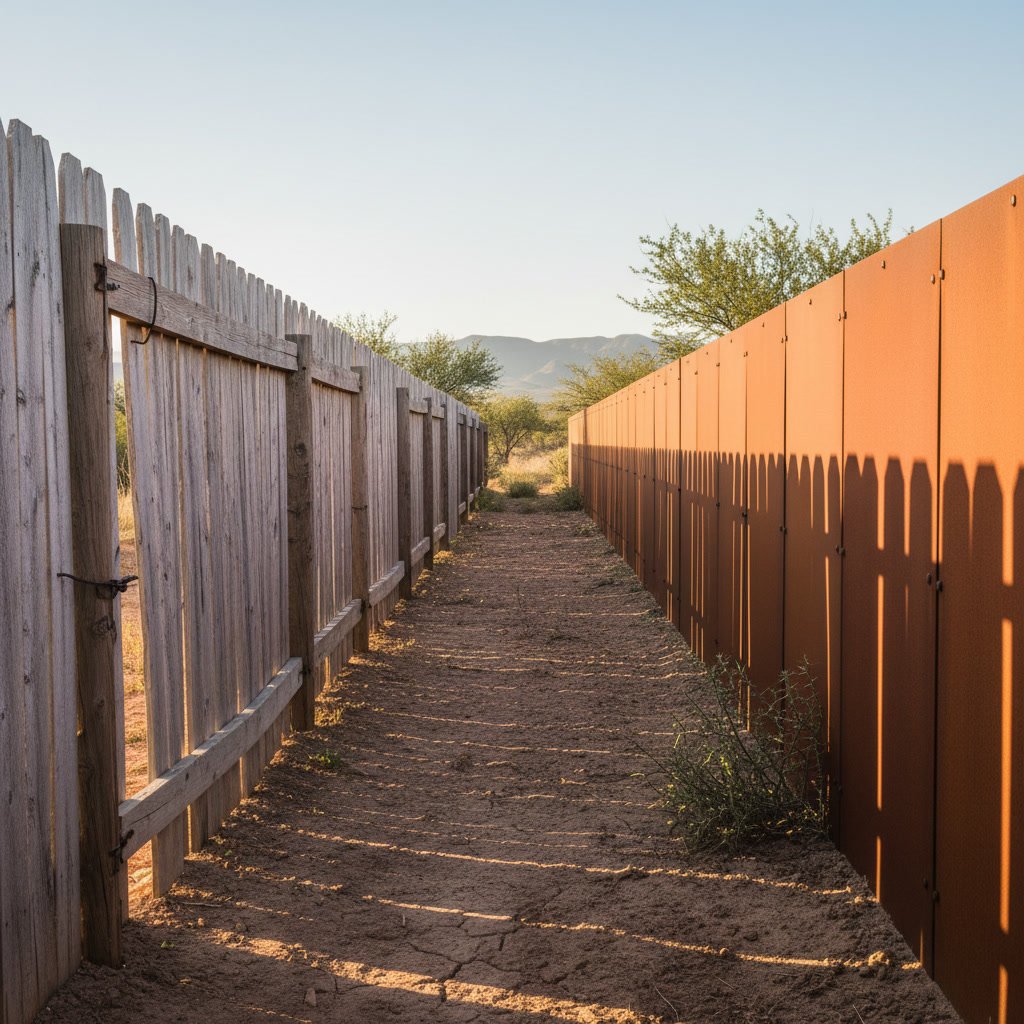
Wood remains popular for its natural appearance and initial affordability, but not all wood species perform equally in Texas. Cedar naturally resists rot and insect damage better than pine, though it still requires treatment every two to three years to prevent weathering and warping. The tannins in cedar provide some UV protection, but prolonged exposure bleaches the wood to gray without regular sealing.
Pressure-treated pine costs less upfront but demands more frequent maintenance. The treatment protects against rot and termites, yet the wood itself splits and twists under thermal stress. Expect to replace boards within 10 to 15 years even with diligent care. If you select wood, budget for annual inspections and biennial treatments to maximize lifespan.
One expert insight many contractors overlook: install wood fences with at least a two-inch gap between boards when temperatures are below 60 degrees. Wood expands significantly in Texas summer heat, and boards installed flush in cool weather will buckle and warp by July. This spacing adjustment alone can extend fence life by three to five years.
Vinyl and Composite Options
Vinyl fencing eliminates rot, insect damage, and most maintenance concerns. Quality vinyl contains UV inhibitors that prevent the brittleness and fading common in cheaper products. Look for virgin vinyl rather than recycled content, and verify the manufacturer rates the product for temperatures exceeding 110 degrees, which fence surfaces easily reach in direct Texas sun.
The primary concern with vinyl is impact resistance. Hail and debris from storms can crack panels, particularly in extreme cold when the material becomes more brittle. Premium vinyl products include impact modifiers and thicker walls, typically 0.135 inches or greater, that resist damage better than economy options at 0.09 inches.
Composite materials blend wood fibers with plastic polymers, offering a wood-like appearance with better weather resistance. These products handle thermal expansion more gracefully than pure vinyl and resist fading better than untreated wood. The trade-off comes in cost, as quality composite fencing typically runs 30 to 50 percent higher than comparable vinyl.
Metal Fencing Performance in Allen
Aluminum fencing delivers excellent longevity in Texas weather with minimal maintenance. The powder-coated finish resists fading and corrosion, and the material itself does not rot or attract pests. Aluminum handles thermal expansion well without warping, making it ideal for properties in Allen and surrounding communities that experience full sun exposure.
The limitation with aluminum is structural strength. Standard residential-grade aluminum, typically 0.06 to 0.08 inches thick, provides security and boundary definition but offers minimal impact resistance. For properties requiring stronger barriers, commercial-grade options at 0.10 inches or heavier deliver better performance against wind and debris.
Wrought iron and steel provide maximum strength but require careful rust prevention. Powder coating protects the metal, but any chips or scratches expose bare metal to moisture. In humid Texas conditions, rust develops quickly at damage points. Annual inspections and touch-up paint maintain protection, but steel demands more attention than aluminum.
Comparing Durability and Lifespan
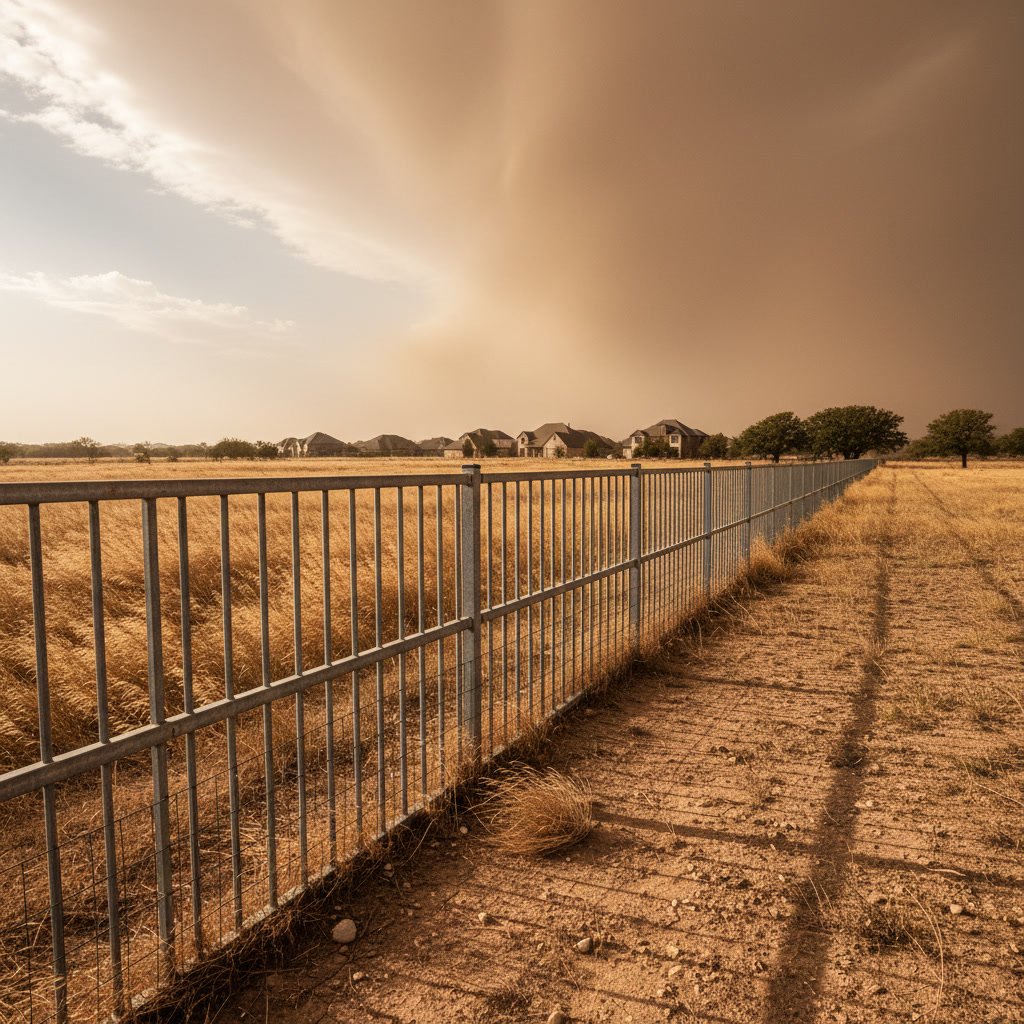
Material lifespan varies dramatically based on maintenance and installation quality. Cedar wood with proper treatment lasts 15 to 20 years in North Texas. Pressure-treated pine typically reaches 10 to 15 years. Quality vinyl fencing often exceeds 25 years with virtually no maintenance, while aluminum can last 30 years or more with only occasional washing.
Steel and wrought iron potentially outlast all other materials, reaching 50 years or beyond, but only if corrosion protection remains intact. A single season of neglected rust can compromise decades of potential service life. When comparing options, calculate total cost including maintenance time and materials over the expected lifespan, not just initial installation cost.
For homeowners considering different materials for various projects, the same durability principles apply to other exterior improvements. Similar weather considerations guide decisions when you select patio materials for your outdoor living space.
Maintenance Requirements by Material Type
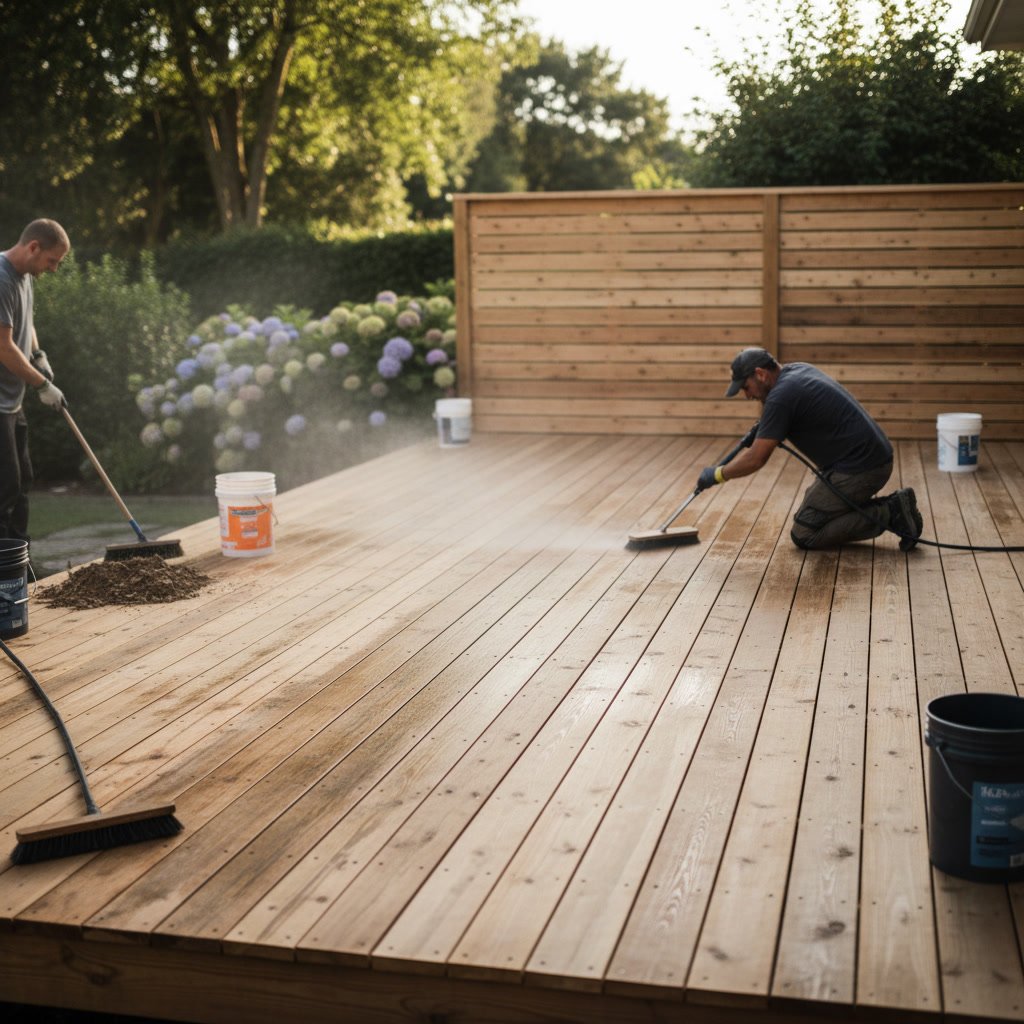
Wood fencing demands the most attention. Annual cleaning removes mildew and dirt, while staining or sealing every two to three years protects against moisture and UV damage. Board replacement becomes necessary as individual pieces warp, crack, or rot. Budget four to six hours of labor per 100 linear feet for each treatment cycle, plus material costs ranging from 75 cents to two dollars per linear foot.
Vinyl requires only periodic washing with soap and water, typically once or twice yearly. No painting, staining, or sealing is necessary. Repairs involve replacing entire damaged panels rather than individual components. Most homeowners complete vinyl fence cleaning in under two hours for typical residential installations.
Metal fences need annual inspection for coating damage and rust formation. Touch-up paint addresses small issues before they spread. Washing removes accumulated dirt and prevents staining. Aluminum demands less attention than steel, requiring only cleaning rather than protective coating maintenance.
Cost Analysis Beyond Installation
Initial installation cost often drives material selection, but long-term expenses tell a different story. Cedar fence installation might cost eight to 12 dollars per linear foot, while vinyl runs 15 to 25 dollars per linear foot. Over 20 years, however, the cedar fence requires multiple treatments at one to two dollars per foot each cycle, plus board replacements averaging 15 to 20 percent of total boards.
Calculate the total 20-year cost: cedar at 10 dollars per foot installed, plus eight treatment cycles at 1.50 dollars per foot, plus 20 percent board replacement at two dollars per foot, totals approximately 26 dollars per foot. Vinyl at 20 dollars per foot installed with zero maintenance costs 20 dollars per foot over the same period. The higher upfront investment in vinyl actually costs less over time.
This analysis assumes you perform maintenance yourself. Professional maintenance services add significantly to wood fence costs, often doubling the treatment expense. Factor your available time and willingness to perform regular upkeep when evaluating true cost.
Aesthetic Considerations and Property Value
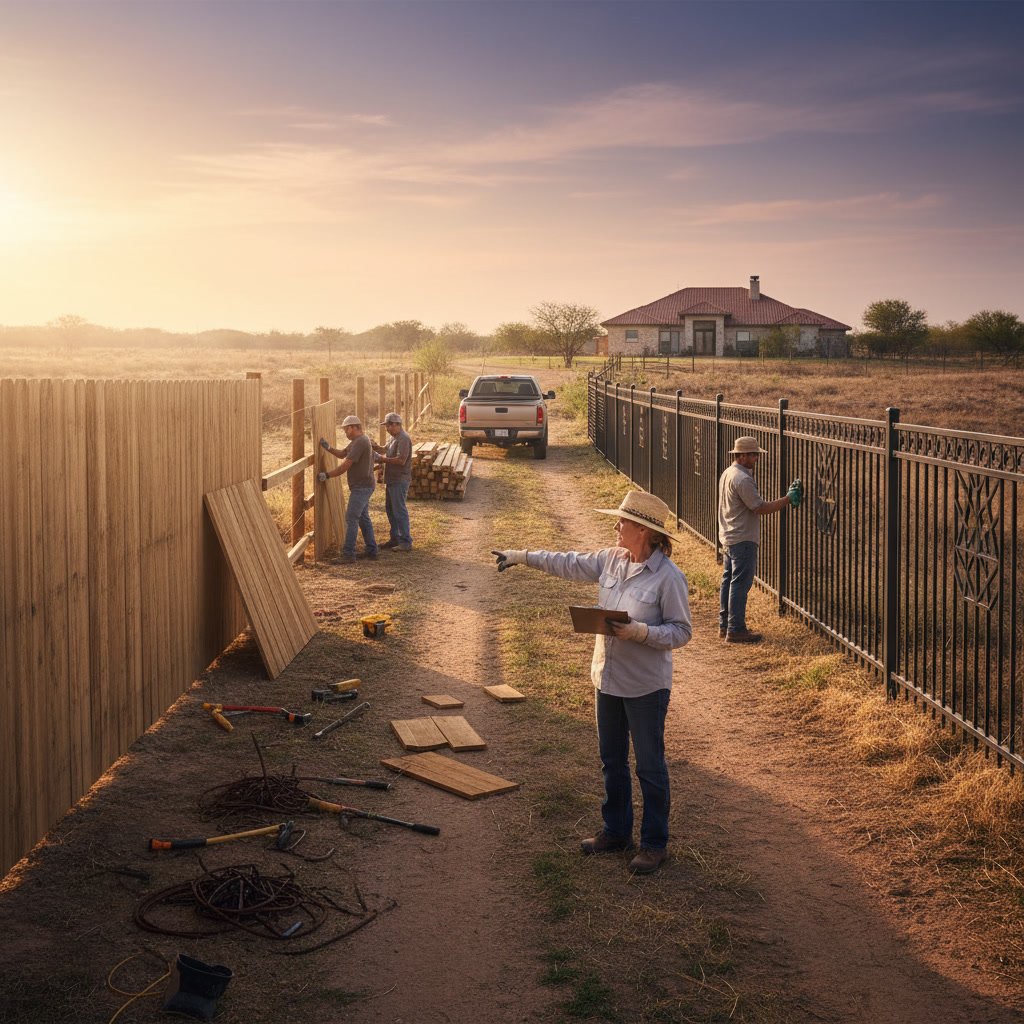
Material choice affects curb appeal and property value differently across neighborhoods. Traditional areas often favor wood fencing for its classic appearance, while modern developments embrace the clean lines of vinyl and aluminum. Check your homeowner association guidelines before finalizing material selection, as some communities restrict certain fence types or colors.
Wood offers the most customization in stain colors and design patterns. Vinyl comes in limited colors, typically white, tan, and gray, though the color remains consistent throughout the material rather than just surface coating. Metal fencing provides numerous design options, from simple picket styles to ornate scrollwork, with powder coating available in dozens of colors.
Real estate professionals note that well-maintained fencing of any quality material adds value, while deteriorating fences detract from appeal regardless of original material choice. A vinyl fence requires no maintenance to look good in 10 years, while a wood fence demands consistent care to maintain the same visual impact. Choosing the right fence height complements material selection by balancing privacy needs with neighborhood aesthetics, as detailed in guidance about fence height selection.
Installation Timing and Weather Considerations
Schedule fence installation during mild weather when possible. Spring and fall offer ideal conditions, with moderate temperatures that allow proper material handling and concrete curing. Summer heat accelerates concrete curing too quickly, potentially weakening post foundations, while winter freezes can damage fresh concrete.
Wood installation benefits from cooler temperatures when the material is at its smallest dimension, allowing for thermal expansion during summer heat. Vinyl and composite materials install successfully year-round, though extreme cold makes some products more brittle and prone to cracking during handling.
Professional construction teams adjust installation techniques based on current conditions, ensuring proper results regardless of season. They account for ground conditions, material temperature, and weather forecasts to optimize installation timing and methods.
Making Your Final Material Decision
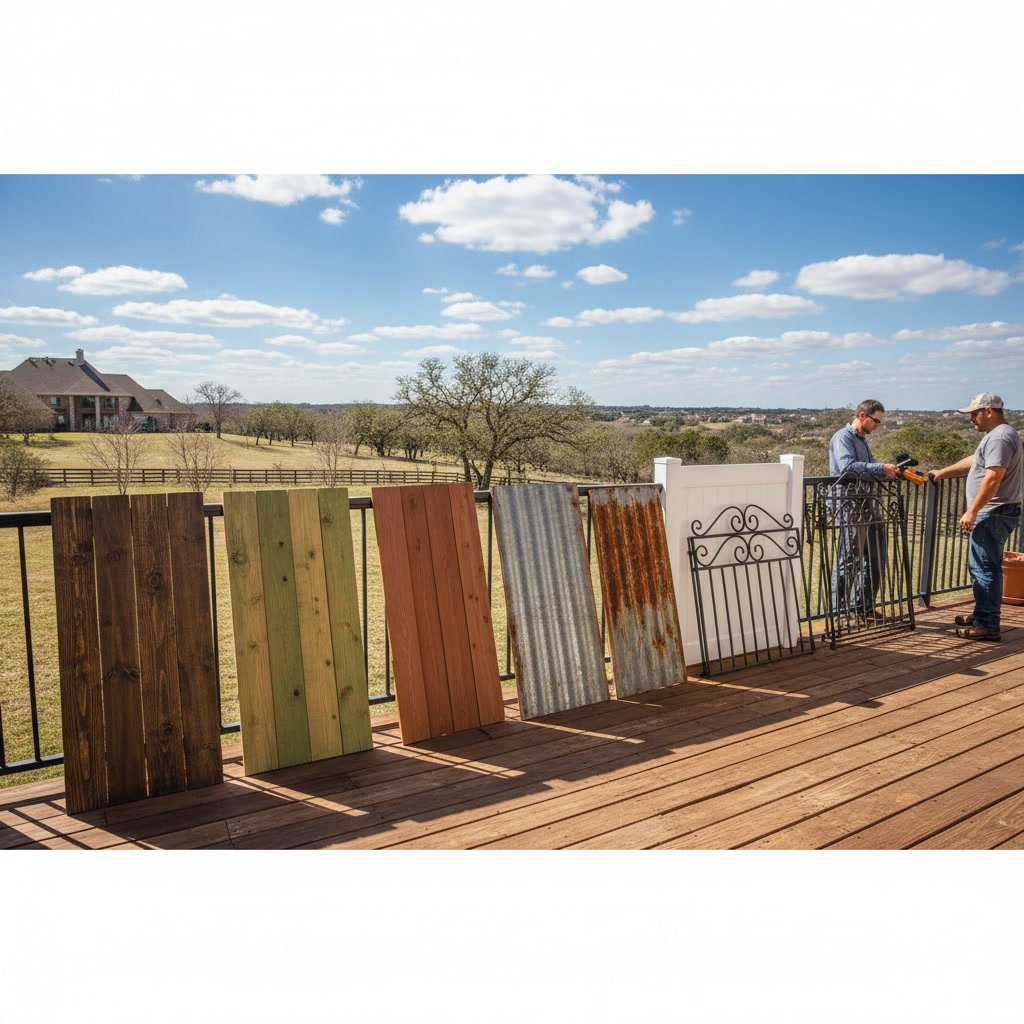
Your ideal fence material balances initial budget, maintenance capacity, aesthetic preferences, and expected lifespan. Wood suits homeowners who enjoy hands-on property care and prefer natural materials despite ongoing maintenance. Vinyl works best for those prioritizing low maintenance and consistent appearance over decades. Metal options serve properties needing maximum durability or specific design elements.
Consider your long-term plans for the property. If you expect to sell within five years, a well-maintained wood fence may serve adequately. For a forever home, investing in premium vinyl or metal eliminates decades of maintenance tasks. Match material selection to your timeline, budget, and lifestyle rather than choosing based solely on initial cost.
Once you determine the right material, proper preparation ensures optimal results. Understanding the steps to prepare your fence for finishing helps wood fence owners protect their investment from the start.
Working With Experienced Fence Professionals
Material selection represents only the first step toward a successful fence installation. Proper post depth, appropriate concrete mix, correct spacing, and quality hardware all contribute to long-term performance. Capital D LLC brings over a decade of experience installing fences throughout the Dallas-Fort Worth area, with deep knowledge of how different materials perform in local conditions.
Professional installation ensures your chosen material delivers its full potential lifespan and performance. Expert crews understand thermal expansion rates, optimal post spacing for different materials, and proper bracing techniques that prevent sagging and warping. They source quality materials from reliable suppliers, avoiding the inferior products that plague big-box store purchases.
The right fence material protects your property, defines boundaries, and enhances curb appeal for years to come when properly selected and installed. Capital D LLC serves homeowners throughout Plano, McKinney, Frisco, and surrounding communities with expert fence installation tailored to Texas weather conditions. Contact our team at +19722079516 to discuss your fence project and receive a detailed assessment of the best material options for your specific property and goals.