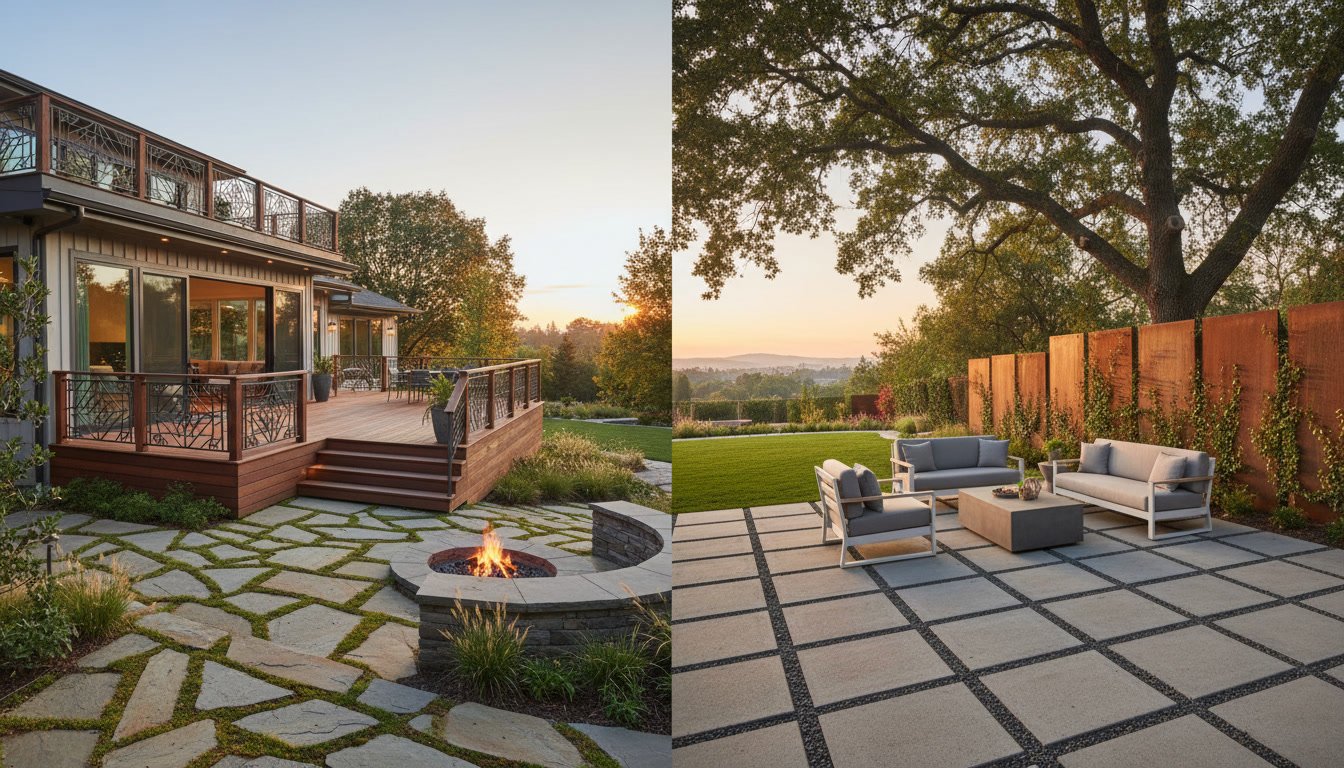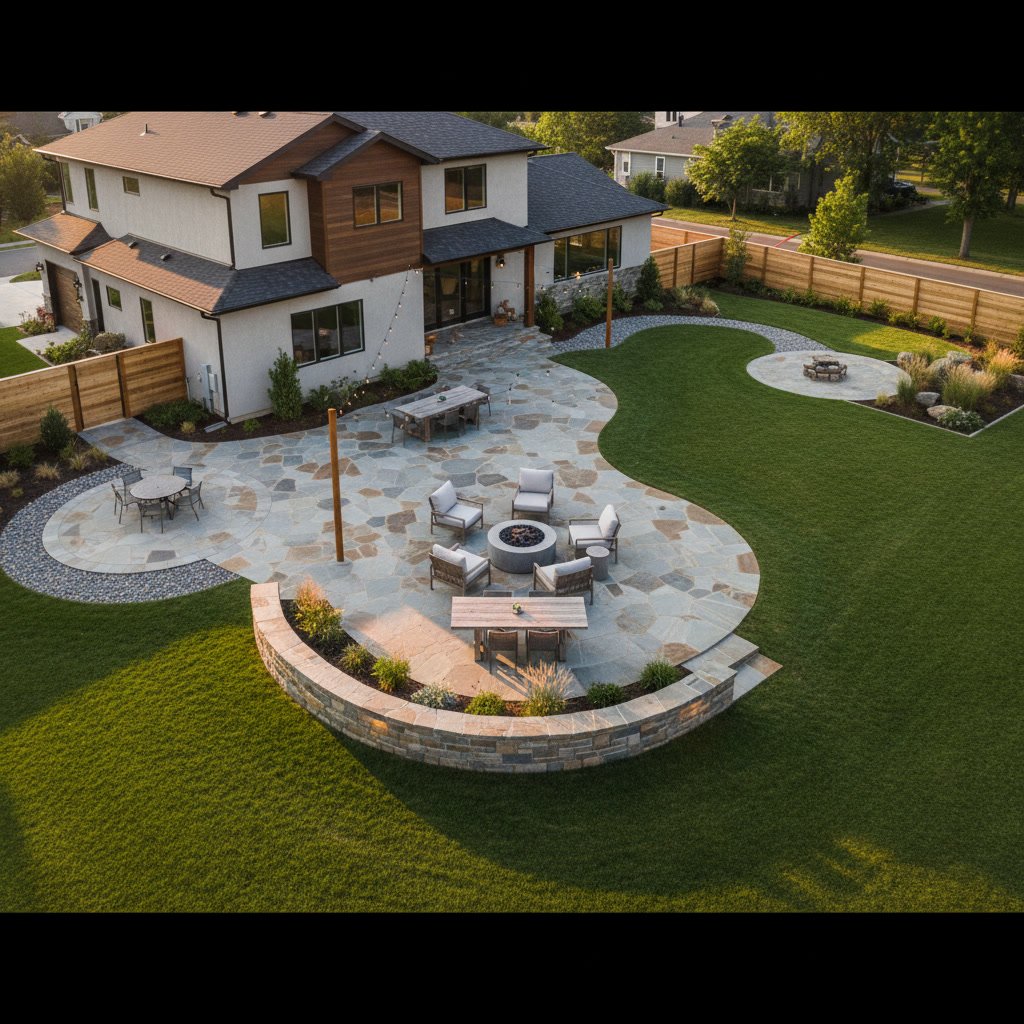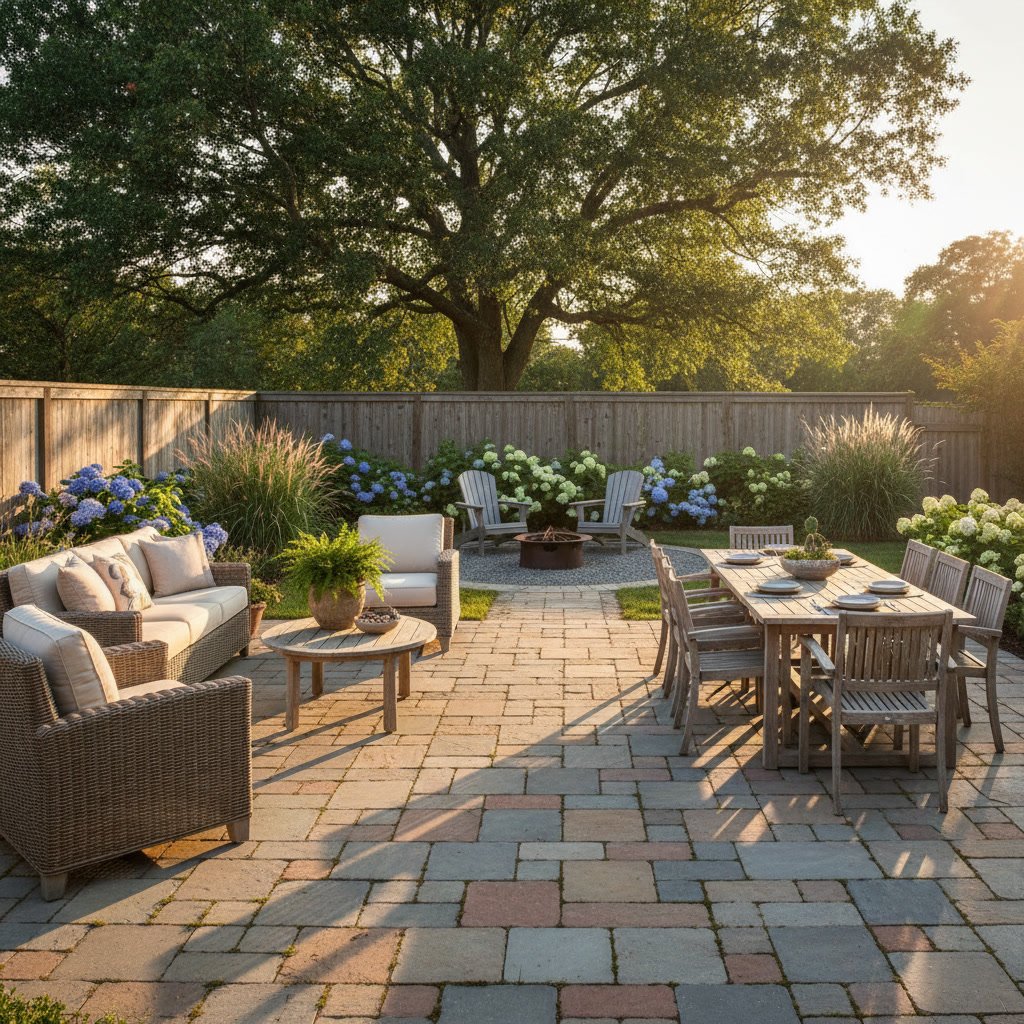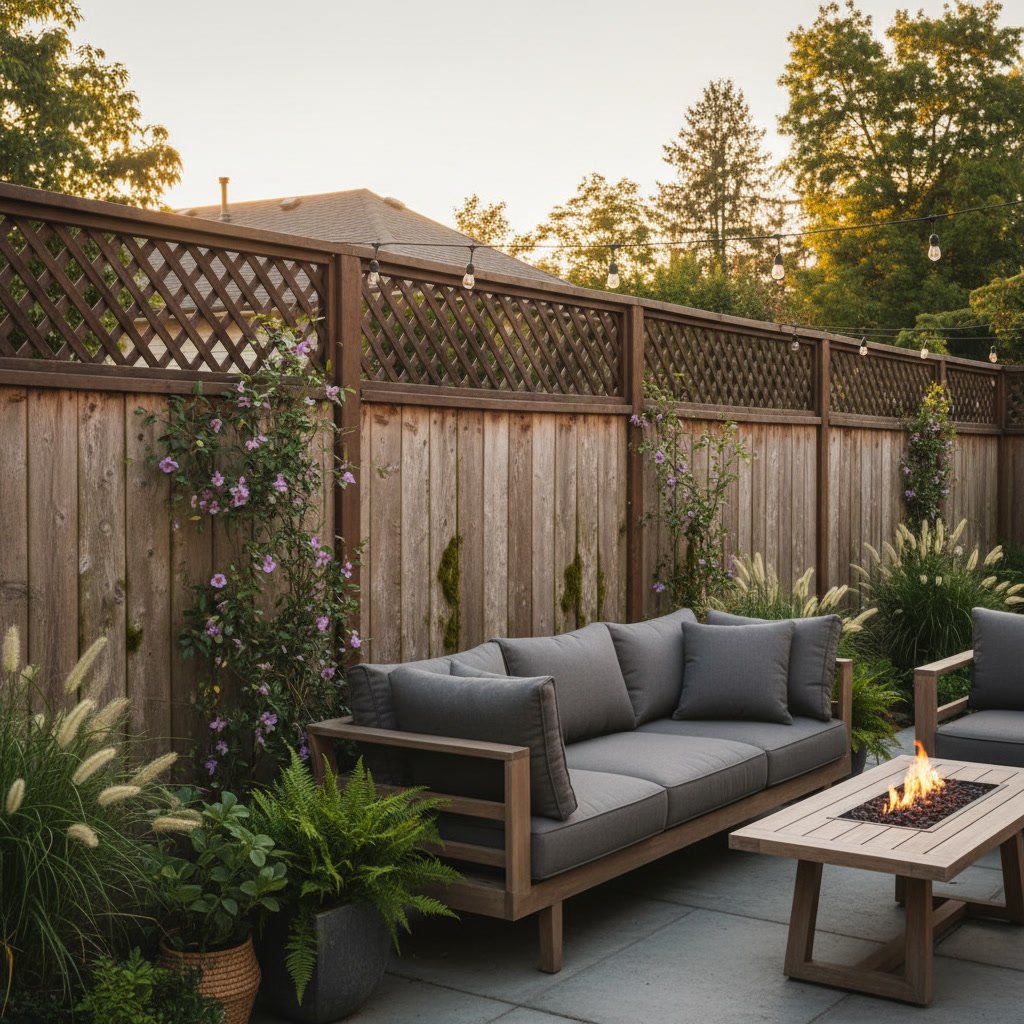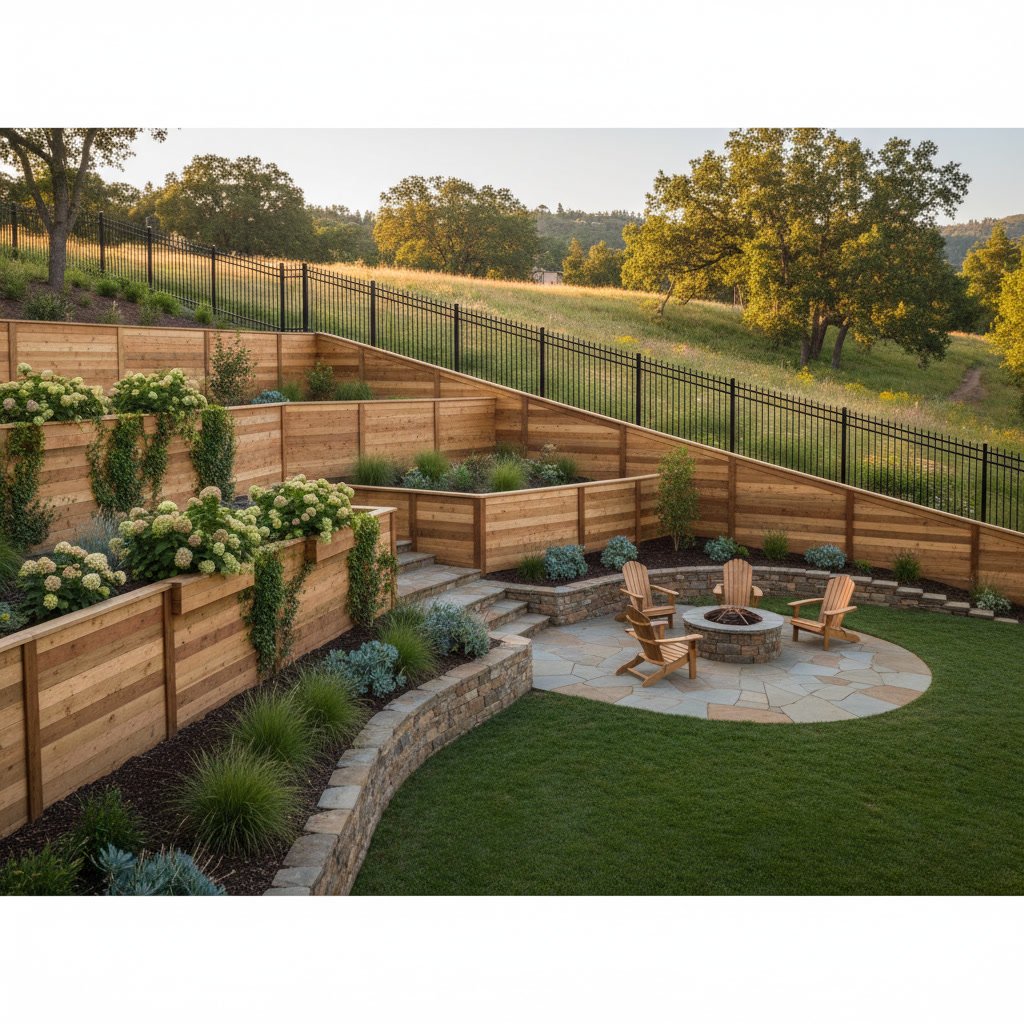
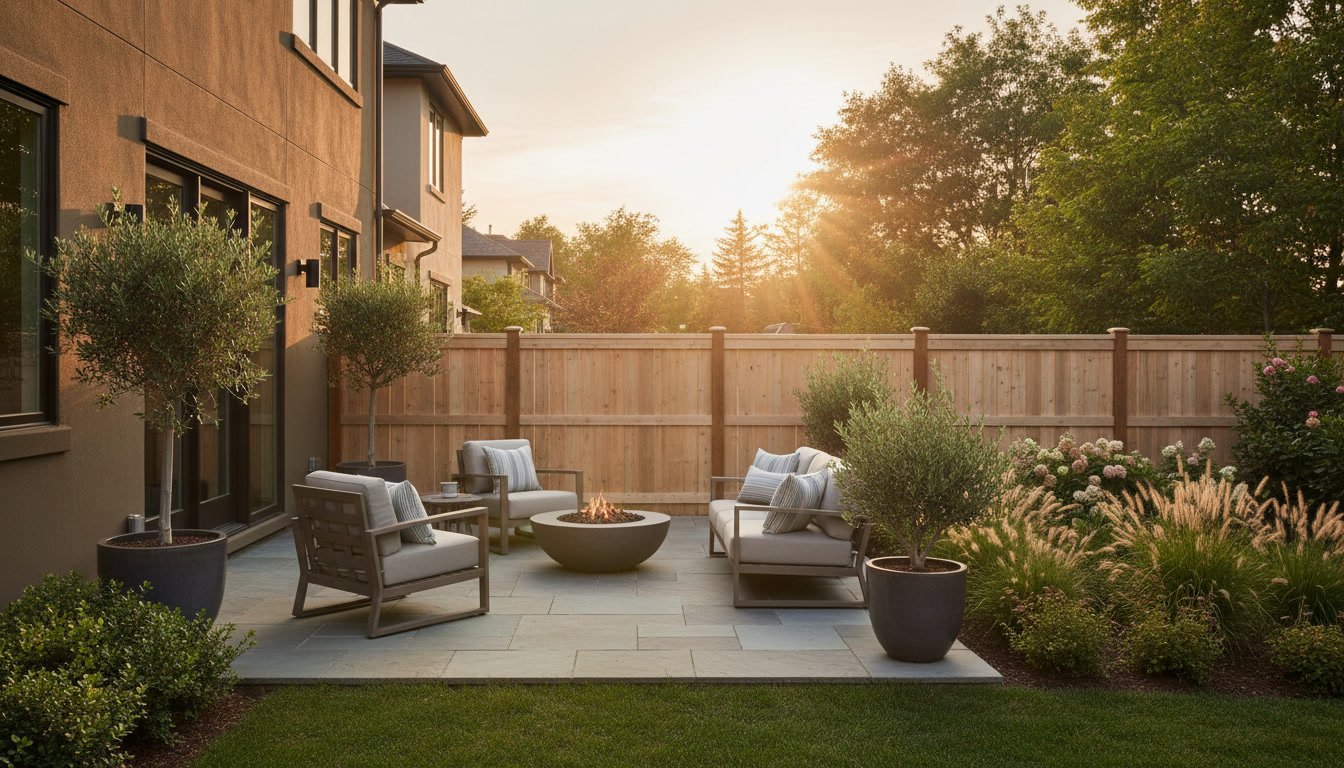
The right fence color creates visual harmony between your home exterior, landscaping, and outdoor living spaces. To choose fence color effectively, start by identifying your home’s dominant and accent colors, then select a fence tone that either complements those hues or provides intentional contrast. Consider your patio materials, surrounding plants, and the architectural style of your home to ensure the fence enhances rather than clashes with your overall design.
Why Fence Color Matters More Than You Think
Your fence occupies significant visual real estate in your yard. A poorly chosen color can make even the most expensive materials look out of place, while a thoughtful selection ties together your entire property. The color you select affects perceived property boundaries, influences how large or small your yard feels, and creates either unity or division between indoor and outdoor spaces.
Fence color also impacts maintenance requirements and longevity. Darker tones absorb more heat, which can accelerate weathering in Texas summers. Lighter shades show dirt and mildew more readily but reflect heat better. These practical considerations should weigh into your decision alongside aesthetic preferences.
Understanding Color Relationships Between Home and Fence
Before selecting a fence color, examine your home’s existing palette. Walk around your property and note the colors of your siding, brick, stone, trim, shutters, and front door. Most homes feature a primary color covering the largest surface area, one or two secondary colors on architectural details, and possibly an accent color on the entry.
Your fence can serve three roles in this color story. It can match one of your existing colors for a cohesive, monochromatic look. It can complement your palette by choosing a tone that sits adjacent on the color wheel. Or it can provide strategic contrast by selecting an opposite hue that makes both the fence and home stand out.
Brick homes in shades of red, orange, or brown pair naturally with warm wood tones, charcoal gray, or deep green fences. White or light-colored siding offers more flexibility, working with nearly any fence color from classic white picket to dramatic black. Homes with stone exteriors benefit from fences that echo the undertones in the stone, whether warm beige, cool gray, or earthy taupe.
How Patio Materials Influence Fence Color Selection
Your patio and fence work together to define your outdoor room. The materials you’ve chosen or plan to install on your patio should directly inform your fence color decision. Concrete patios in standard gray pair well with fences in white, black, or natural cedar tones. Stained or stamped concrete opens more options, as you can match the fence to the concrete’s undertone or accent color.
Flagstone, bluestone, and natural pavers bring earthy textures that look best with fences in complementary natural tones. A bluestone patio with cool gray and blue notes pairs beautifully with a gray-stained fence. Warm sandstone or travertine patios coordinate with honey-toned wood or warm gray fences. If you’re still deciding on materials, our guide on how to choose patio material for your backyard can help you make coordinated decisions.
The visual weight of your patio also matters. A large patio in a dominant color needs a fence that either balances that weight or intentionally recedes. Smaller patios benefit from fences that help define the space without overwhelming it.
Five Proven Fence Color Strategies for Allen Homes
Homeowners in Allen work with a range of architectural styles, from traditional brick colonials to modern farmhouses. These five strategies work across different home types and personal preferences.
First, the neutral foundation approach uses fence colors in white, beige, or gray to create a backdrop that highlights your home and landscaping. This strategy works particularly well when you have colorful flower beds or a bold home exterior that you want to feature.
Second, the natural wood tone strategy embraces cedar, redwood, or pine in their untreated state or with a clear sealant. This choice works beautifully with nearly any home color and provides warmth without competing visually. After installation, proper preparation ensures longevity, as detailed in our article on preparing your new fence for staining and sealing.
Third, the monochromatic match repeats a color already present on your home, creating seamless continuity. If your trim is dark brown, a matching fence color extends that design element into the yard.
Fourth, the complementary contrast pairs your fence with a color that sits opposite your home’s primary hue on the color wheel. A warm beige home looks striking with a fence in soft gray-blue. A cool gray house gains warmth from a fence in honey brown.
Fifth, the architectural accent approach treats the fence as an extension of your home’s architectural details. If your shutters are forest green, repeating that shade on your fence creates visual rhythm and intentional design.
Accounting for Landscaping and Seasonal Changes
Your fence will serve as a backdrop to trees, shrubs, and flowers throughout the year. Consider what grows along your fence line and how those plants will look against your chosen color. Dark fences make green foliage and bright flowers pop dramatically. Light fences create a softer, more subtle garden aesthetic.
In Texas, many landscapes shift from lush green in spring to browner, drought-stressed tones in late summer. A fence color that looks perfect in April might feel wrong in August if you haven’t accounted for seasonal changes. Medium tones in gray, brown, or olive tend to work across seasons better than stark white or jet black.
Evergreen plantings provide year-round consistency and pair well with nearly any fence color. Deciduous trees and shrubs will expose more of your fence in winter, making the fence color more prominent during those months. If winter visibility is high in your yard, choose a fence color you’ll be happy to see in larger quantities.
Material Type and Color Options
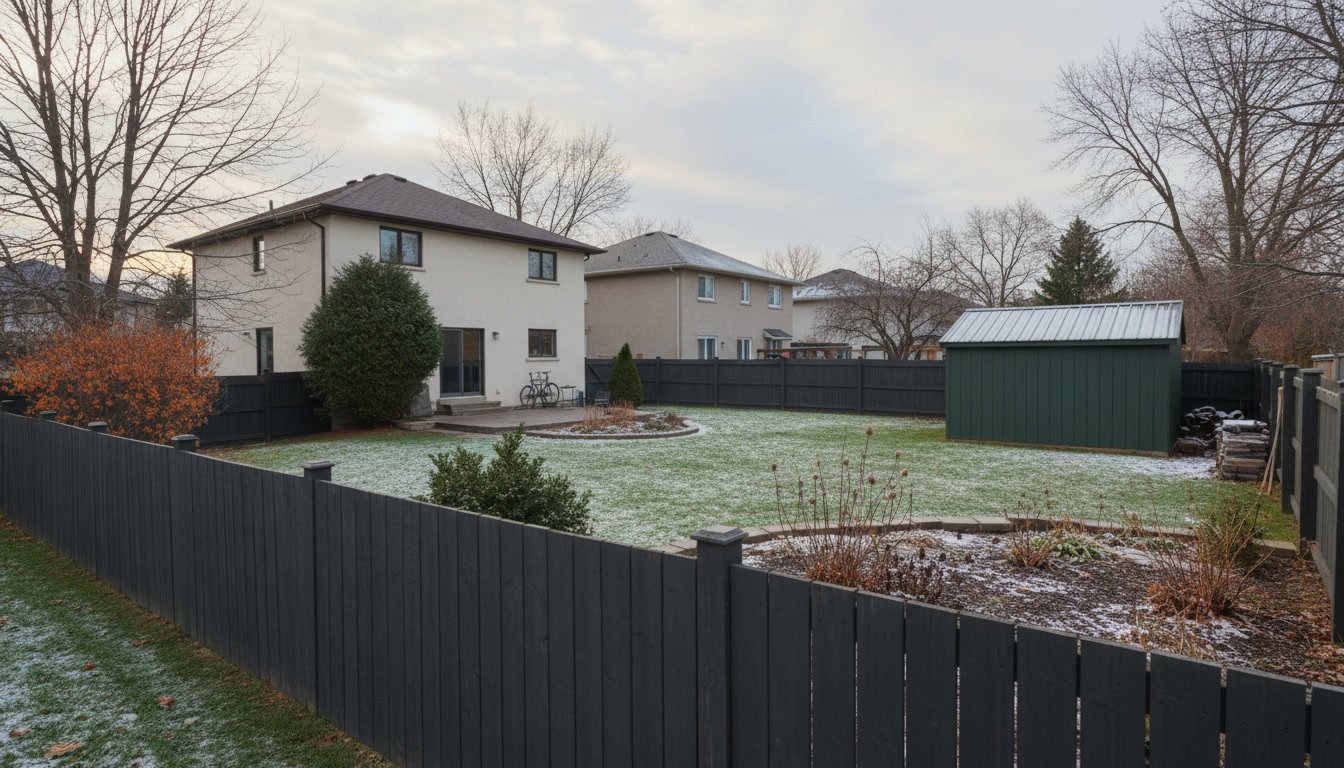
Different fence materials offer different color possibilities. Wood fences provide the widest range through stains and paints. Cedar naturally weathers to silver-gray if left untreated, or you can stain it in virtually any tone from light honey to deep espresso. Pressure-treated pine accepts stain well and offers a budget-friendly option for achieving your desired color.
Vinyl fencing comes in factory colors that won’t fade or require repainting. White and tan are most common, with gray, khaki, and even wood-grain textures available from premium manufacturers. The color goes all the way through the material, so scratches don’t show a different color underneath.
Metal fences, including aluminum and steel, typically come powder-coated in black, bronze, or white. These finishes are durable and low-maintenance. Wrought iron is traditionally black, though custom colors are possible with professional painting.
Composite fencing blends wood fibers and plastic, offering the look of wood with less maintenance. These products come in earth tones that mimic natural wood, from light driftwood to rich walnut. The patios and fences team at Casa & Co Renovators can help you understand which materials and colors work best for your specific needs and budget.
Testing Colors Before Committing
Never choose a fence color based solely on a small sample chip. Those chips don’t account for how light, shadow, and surrounding colors affect the final appearance. Instead, obtain larger samples, at least 12 inches square, and place them in your yard where the fence will actually be installed.
View your samples at different times of day. Morning light has a cooler, bluer quality that can make colors appear different than they do in warm afternoon sun. Evening light adds golden tones that shift how colors read. Observe your samples for several days to see them in various lighting and weather conditions.
Hold your samples against both your home exterior and your patio surface. Step back to view them from the distance you’ll typically see your finished fence. What looks great up close might not work from 20 feet away. Take photos with your phone to see how the colors photograph, as this often reveals combinations that don’t work as well as you thought.
Coordinating Fence Color with Outdoor Furniture and Decor
Your patio furniture, outdoor rugs, cushions, and decorative elements form part of the overall color story. If you’ve already invested in a specific furniture collection, choose a fence color that complements those pieces rather than clashes with them.
A fence in a neutral tone gives you maximum flexibility to change furniture and decor over time without worrying about coordination. Bold fence colors look stunning but commit you to a more curated approach to outdoor decorating. If your furniture features bright blues, a fence in crisp white or soft gray provides balance. Earthy furniture in browns and greens pairs well with natural wood fences or those stained in complementary tones.
Consider permanent structures like pergolas, arbors, and custom carpentry elements in your yard. Your fence color should work harmoniously with these features, as they’re all part of the same outdoor room.
Regional Considerations for Texas Climate
Texas sun is intense and unrelenting. UV exposure fades colors faster here than in many other regions. If you choose a stained or painted wood fence, expect to refresh the color every three to five years depending on sun exposure and the quality of your initial finish.
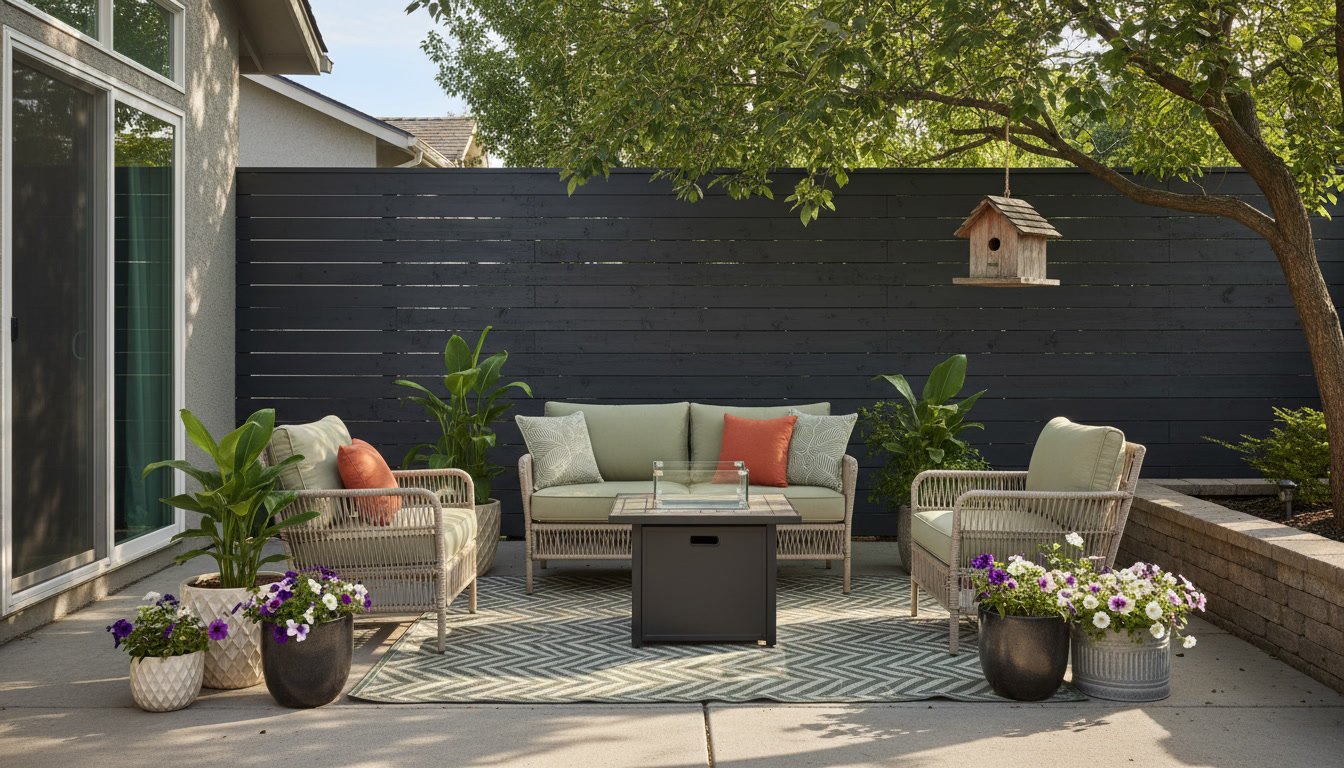
Dark colors absorb heat, which can make fence boards expand and contract more dramatically. This movement can lead to faster weathering, warping, or splitting. If your fence receives full afternoon sun, consider medium tones rather than the darkest options.
Light colors reflect heat better but show dust, pollen, and water stains more readily. Texas winds carry plenty of dust, and summer storms leave mud splatter. If you choose white or cream, plan for periodic cleaning to keep your fence looking fresh.
The red clay soil common in parts of the Dallas-Fort Worth area can splash onto lower fence boards during heavy rain. Choosing a fence color with warm undertones helps minimize the visual impact of inevitable soil staining.
Common Color Mistakes to Avoid
The most frequent mistake homeowners make is choosing a fence color in isolation without considering the full context of their property. A color that looks beautiful on a sample or on someone else’s home might not work with your specific combination of siding, roofing, landscaping, and patio materials.
Another error is ignoring the undertones in your existing colors. A fence that seems to match your home might actually clash because it has cool undertones while your home has warm ones, or vice versa. Train your eye to see whether colors lean warm (yellow, orange, red) or cool (blue, green, purple).
Choosing a trendy color without considering longevity often leads to regret. That dramatic charcoal or trendy sage might look dated in five years. Classic colors like natural wood tones, white, and traditional grays have staying power that protects your investment.
Finally, some homeowners select fence colors that work against their goals. If you want your yard to feel larger, a fence in a bold, dark color draws the eye to the boundary and emphasizes the limits of your space. A lighter, more neutral fence visually recedes and makes the yard feel more expansive.
Creating Cohesion Across Your Entire Property
Your fence, patio, home exterior, and landscaping should tell a unified design story. The most successful outdoor spaces feel intentional, where every element supports the others. Start by identifying the style you want to achieve, whether traditional, modern, farmhouse, or contemporary, then choose a fence color that reinforces that aesthetic.
Traditional homes with symmetrical architecture and classic proportions often look best with fences in white, black, or natural wood tones. Modern designs with clean lines and minimal ornamentation pair well with horizontal fences in gray, black, or ipe wood tones. Farmhouse styles embrace white picket fences or natural cedar. Contemporary homes can handle bolder choices like charcoal, deep green, or high-contrast black against light siding.
If you’re planning multiple projects, such as a new patio and fence together, coordinate your decisions from the start. The painting services that refresh your home exterior and the fence installation can work together to create a cohesive look when planned as a unified project.
Making Your Fence Color Decision Work for Years
The fence color you choose today should still please you five or ten years from now. This means looking beyond current trends to select colors with lasting appeal. It also means choosing quality materials and finishes that will age gracefully rather than looking worn and tired after a few seasons.
Quality stains with UV protection maintain their color longer than budget products. Premium paints formulated for exterior wood resist fading, peeling, and chalking. If you choose vinyl or composite materials, select products from manufacturers with strong warranties and proven track records in Texas climates.
Your fence color contributes to your home’s overall value and curb appeal. A well-chosen color that complements your property makes a positive impression on visitors and potential buyers. A mismatched or poorly maintained fence color can detract from even the most beautiful home.
Casa & Co Renovators brings a decade of experience helping homeowners in Allen and throughout the Dallas-Fort Worth area create outdoor spaces that balance beauty, function, and lasting value. From initial color consultation through professional installation and finishing, expert guidance ensures your fence enhances your property for years to come.
Ready to select the perfect fence color for your home and patio? Contact our team at +19722079516 to schedule a consultation. We’ll assess your property, discuss your goals, and help you choose a fence color that creates the cohesive, beautiful outdoor space you envision.